Are you finding it challenging to locate bass when the summer sun beats down relentlessly? As demonstrated in the accompanying video, extreme heat, such as temperatures reaching 101 degrees Fahrenheit in places like Texas, can significantly impact bass behavior. Water temperatures can soar to 85-87 degrees, forcing fish to seek cooler, shadier retreats.
Successfully targeting bass in these conditions requires a change in strategy, moving away from open water and towards specific forms of cover. Anglers often discover that conventional fishing spots become unproductive during peak summer heat. Adapting techniques and understanding where fish congregate are crucial for continued success.
Decoding Hot Weather Bass Behavior
When surface water temperatures climb during the summer, bass are known to become less active and seek relief from the heat. This behavior is primarily driven by their need for thermal regulation and comfort. Just as humans prefer shade on a scorching day, bass gravitate towards cooler environments.
Warmer water holds less dissolved oxygen, which can stress fish and reduce their metabolic activity. Deeper water or shaded areas, such as those provided by culvert pipes and tunnels, offer a more stable and oxygen-rich environment. Understanding these physiological responses is key to predicting where bass will be found.
Why Shade is a Game-Changer for Summer Bass Fishing
Shade serves multiple critical purposes for bass during periods of high heat, extending beyond simple comfort. It provides a cooler sanctuary where water temperatures are typically several degrees lower than in exposed areas. This temperature differential helps bass conserve energy and reduces heat stress.
Furthermore, shaded areas often conceal bass from overhead predators and provide an ambush point for prey. The low light conditions within these spaces give bass an advantage when hunting. These covered spots become indispensable for effective hot weather bass fishing.
Identifying Prime Shade Spots for Bass
While culvert pipes, as featured in the video, are exceptional examples, many other structures offer similar relief for bass. Any feature that provides consistent shade throughout the day can potentially hold fish. This includes a variety of natural and man-made structures that should be considered by anglers.
Identifying these “secret” spots often involves keen observation of the environment and water features. The ability to recognize potential fish hideouts significantly increases the chances of a successful outing. A careful approach to exploring these overlooked areas is frequently rewarded.
Exploring Culverts, Bridges, and Overhanging Cover
Culvert pipes are particularly effective because they often extend deep under roads or embankments, providing a long, cool, and dark tunnel. These tunnels create a microhabitat where bass can retreat far from direct sunlight. The current flowing through them can also deliver baitfish, making them attractive feeding zones.
Beyond culverts, bridge pilings and undersides cast extensive shadows that bass utilize. Docks, especially those with solid tops or built close to the water, also create significant shade. Overhanging trees or dense shoreline vegetation can similarly provide crucial cover, especially where branches dip into the water.
Mastering the Culvert Fishing Technique
Fishing these tight, confined spaces requires a specific approach and precise casting skills. The goal is often to get the lure as far back into the shaded area as possible where bass are likely holding. This technique differs significantly from casting in open water.
Patience and precision are paramount, as careless casts can easily result in snags or spooked fish. A successful presentation often relies on a combination of the right gear and a gentle touch. These methods are frequently practiced to achieve consistent results.
The Art of Skip Casting and Lure Presentation
Skip casting, where the lure is made to “skip” across the water’s surface like a stone, is the preferred method for reaching deep into culverts. This technique allows lures to penetrate low overhangs and tight openings that would be impossible with a traditional overhead cast. A spinning reel is strongly recommended for this, as a baitcaster often leads to frustrating backlashes and missed opportunities due to its lack of control during the skipping motion.
Once the lure, such as a Senko, is delivered into the culvert, it should be allowed to sink slowly. This natural, unweighted fall often entices bass that are suspended or resting on the bottom. A slow, steady retrieve with occasional pauses is generally most effective, mimicking an injured baitfish. Anglers are encouraged to experiment with retrieve speed until a biting pattern is established.
Essential Gear and Lure Choices for Summer Bass
Selecting the right equipment is critical for effective culvert fishing, ensuring both casting accuracy and the ability to handle a strong bass. The choice of reel, line, and lure color can significantly influence success in these specific conditions. These gear considerations are often overlooked by less experienced anglers.
Having the appropriate setup allows for precise presentations and reduces the likelihood of equipment failure during a fight. Investing in reliable tackle is frequently a wise decision. Performance is consistently enhanced with the right tools.
Spinning Reels, Line, and Dark Lure Colors
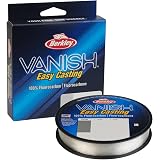
A medium-action spinning rod paired with a reliable spinning reel is considered ideal for culvert fishing. The open face of the spinning reel provides a smoother line release, which is essential for successful skip casting and preventing snags. Monofilament or fluorocarbon line in the 10-15 lb test range is commonly used, offering a good balance of strength and manageability.
For lures, soft plastic stick baits like the Senko are highly effective due to their natural fall and versatility. In dirty or stained water, which is common in many culvert environments, darker colors like black and blue, dark purple, or dark red are frequently more visible to bass. These darker hues provide a strong silhouette against the dim background, making them easier for fish to detect in low light conditions.
Reading the Bite: When and Where to Expect Action
Understanding bass behavior within culverts can greatly improve an angler’s success rate. Bass found in these shaded retreats often exhibit predictable patterns, which can be learned through observation. Recognizing these tendencies helps in deciding when to move on or continue fishing a spot.
The duration and location of bites often provide clues about the fish population and their activity levels. Anglers are often rewarded by paying close attention to these subtle indicators. Consistency in approach is frequently key to unlocking success.
Patience, Multiple Tunnels, and Quick Bites
When fishing multiple culvert pipes, such as the three observed in the video, it is important to give each tunnel a fair chance. Bass are typically found far back in these structures, seeking the deepest shade and cooler water. A good strategy involves casting as far back as possible, allowing the lure to sink, and working it slowly out. If a bite is not received within a few targeted tosses, it is often productive to move to the next tunnel, as fish may be concentrated in a different one.
Sometimes, bass are also found waiting closer to the opening, along the face of the culverts. These fish may dart out quickly to strike a passing lure, often providing a more aggressive bite. If fish are present in a tunnel, they typically bite quite quickly, often within a couple of casts. If prolonged effort yields no results, moving to another potential spot is often the best course of action.
Beyond the Bite: Understanding Bass Health and Environment
Catching a bass, especially a sizable one like the estimated two-pounder in the video, is always exciting, but it also presents an opportunity to observe the fish’s health. Environmental factors and life cycles can heavily influence a bass’s condition. Understanding these aspects helps anglers appreciate the ecosystem they are interacting with.
The health of fish in an area can provide insights into water quality and food availability. Responsible angling practices often involve quick assessment and careful handling of fish. These considerations are frequently part of a broader respect for wildlife.
Post-Spawn Recovery and Environmental Impact
The bass caught in the video, despite its large head, was notably skinny, leading to speculation that it was still recovering from the rigors of the spawn. The spawning season, which typically occurs in spring, is an energetically demanding period for bass, especially females. After spawning, fish can be quite depleted and underweight, taking time to regain their strength and mass. This post-spawn recovery period often extends into the summer months.
The overall health of fish in a particular pond or river can also reflect broader environmental conditions. Factors such as food scarcity, water pollution, or disease can lead to unhealthy fish populations. While catching a fish, even an unhealthy one, can confirm the presence of bass in a particular hot weather bass fishing spot, it also serves as a reminder of the delicate balance of aquatic ecosystems.
No More Missing Out: Your Secret Fishing Spot Q&A
Why is it hard to catch bass in hot summer weather?
During hot summer weather, bass seek cooler water because high temperatures reduce dissolved oxygen and stress the fish. This makes them less active and harder to find in open water.
Where do bass go when surface water gets too warm?
Bass will move to cooler, shaded areas such as inside culvert pipes, under bridges, beneath docks, or within dense overhanging shoreline vegetation to escape the heat.
What is ‘skip casting’ and why is it useful for fishing in tight spots?
Skip casting is a technique where you make your lure skip across the water’s surface, similar to skipping a stone. This allows you to reach deep into low, tight spaces like culvert pipes where bass often hide.
What kind of fishing reel is best for skip casting?
A spinning reel is highly recommended for skip casting because its open face provides a smoother line release, making it easier to accurately skip lures into tight, shaded areas without backlashing.
What types of lures and colors should I use for bass in dark, shaded spots?
Soft plastic stick baits, like a Senko, are very effective. In dirty or low-light conditions common in shaded areas, darker colors such as black and blue or dark purple are best because they create a strong silhouette for bass to see.