The journey into bass fishing can often seem like navigating an overwhelming sea of choices, particularly when confronting the vast aisles of a tackle store. Many aspiring anglers find themselves paralyzed by the sheer volume of lures, hooks, and weights, unsure of which items genuinely constitute the foundational bass fishing tackle for beginners. The experience can be daunting, leading to uncertainty about where to even begin assembling an effective tackle box.
Fortunately, the initial steps toward becoming a proficient bass angler can be simplified considerably. This guide is crafted to complement the insights provided in the accompanying video, meticulously detailing the essential gear that facilitates a successful entry into the sport. A strategic selection of basic equipment ensures that frustration is minimized, while opportunities for learning and enjoyment are maximized. The focus remains on versatility, ease of use, and a budget-conscious approach, laying a robust groundwork for future expeditions.
Choosing the Foundational Bass Fishing Tackle Box
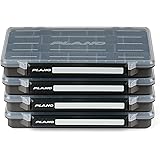
1. The initial consideration for any new angler involves the selection of a practical tackle box. While an extensive array of storage solutions is presented in retail environments, a modular approach is generally recommended for those just starting out. Simpler, compact boxes, frequently available in 2,600 or 3,600 size designations, offer significant advantages.
These smaller units, commonly manufactured by reputable brands such as Plano, Flambeau, and Bass Mafia, are designed to fit conveniently within backpacks or modest gear bags. This portability is crucial for bank fishing, a common starting point for many. Furthermore, the modularity of these systems means additional boxes can be acquired as an angler’s collection grows, thereby preventing premature investment in oversized, cumbersome storage solutions. Durability and ease of organization are paramount considerations here, ensuring that gear is protected and readily accessible during a fishing outing.
Terminal Tackle Fundamentals: Constructing the Texas Rig
2. Subsequently, attention is turned to terminal tackle, which encompasses the critical components directly interacting with the fish. For bass fishing beginners, mastering the Texas rig is often advocated due to its exceptional weedless properties and effectiveness in various conditions. This rig requires specific elements that are both affordable and highly functional.
Selecting Appropriate Bullet Weights
Lead bullet weights are typically chosen for entry-level setups, primarily due to their cost-effectiveness. While tungsten weights offer enhanced sensitivity and a more compact profile, the initial investment in lead, priced around $1.49 per bag, represents a more practical decision. Two sizes are universally recommended for beginners: 1/8 ounce and 1/4 ounce. The lighter 1/8 ounce weight is optimally employed in shallower waters or when a slower, more natural fall is desired for the bait. Conversely, the 1/4 ounce weight facilitates deeper presentations, quicker descent rates, and improved penetration through denser cover. Understanding the nuances of weight selection, which extends to considering factors like current strength and desired retrieve speed, significantly enhances bait presentation and overall fishing efficacy.
Understanding Essential Worm Hooks
A crucial component of the Texas rig is the worm hook, with offset wide gap designs being the preferred choice for beginners. An offset hook features a bend near the eye, which allows for a more secure rigging of soft plastics, maintaining their intended profile. The wide gap, characteristic of these hooks, ensures ample space between the hook point and the shank, thus improving hook-up ratios when fishing with bulkier soft plastic baits. While various manufacturers produce quality wide gap hooks, particular acclaim is often given to designs incorporating a “Grip-Pin.” This innovative feature, typically a small spring or wire mechanism, securely fastens the soft plastic bait to the hook, preventing it from sliding down during casts or retrieves. For general bass fishing applications, hook sizes 3/0 and 4/0 are consistently found to be effective, accommodating a wide range of popular soft plastic worm sizes. Mastery of these hook types is foundational for properly presenting baits in a weedless fashion, making them less prone to snags and tangles.
The Versatility of Shaky Heads for Bass Fishing
3. Moreover, the shaky head jig stands as an indispensable addition to a beginner’s tackle repertoire. This particular jig style is widely recognized for its ability to entice bites even from finicky bass, often proving effective when other presentations fail. The design typically incorporates a weighted head molded around a hook, with a distinguishing feature being a “spring lock” or screw-in mechanism at the jig’s head. This small spring is engineered to securely hold soft plastic baits, ensuring they remain firmly attached during casts, retrieves, and even through multiple fish catches. The secure attachment provided by the spring lock not only prolongs the life of soft plastics but also maintains the lure’s intended action.
Shaky heads are exceptionally versatile, proving highly effective when fished on various bottom compositions, from rocky substrates to areas with sparse vegetation. The subtle “shaking” action imparted to the bait, achieved through slight rod tip movements, mimics a foraging or distressed creature, making it an irresistible target for bass. This simple yet profound fishing technique can significantly boost a beginner’s confidence, providing consistent opportunities to connect with fish.
Mastering Jigs: Introducing the Jointed Structure Head
4. Jigs, while incredibly effective for targeting larger bass, are often perceived as challenging for novice anglers due to a higher propensity for snagging. However, the jointed structure head offers a revolutionary solution, particularly for those engaging in bank fishing. Unlike conventional jigs where the hook is rigidly fixed to the weight, a jointed jig features a free-swinging hook attached to the jig head by a hinge or swivel. This innovative design drastically reduces the likelihood of snagging on underwater obstructions such as rocks, timber, or submerged vegetation.
The enhanced snag resistance provided by the jointed design is invaluable for bank anglers, who frequently cast into unknown waters with varied bottom terrains. The free movement of the hook also imparts a more natural, lifelike action to soft plastic trailers, which can prove more appealing to hesitant bass. This type of jig, exemplified by options like Strike King’s Jointed Structure Head, allows beginners to confidently explore complex cover without the constant frustration of lost lures, thereby fostering a more enjoyable and productive fishing experience. The ability to fish effectively in heavy cover is a significant advantage, often leading to encounters with larger, more elusive fish.
Soft Plastics: The Essential Trick Worm
5. Following the selection of hooks and weights, attention must be given to the soft plastics that will be presented. Amidst an overwhelming selection of shapes, sizes, and colors, the trick worm emerges as an indispensable staple for beginner bass anglers. Its universal appeal stems from its exceptional versatility; the trick worm can be effectively rigged on a Texas rig, a shaky head, or even a basic jig head, adapting seamlessly to various fishing scenarios. The slender profile and subtle tail action of a trick worm mimic a variety of natural prey, making it an irresistible offering for bass across different water conditions and moods.
For initial purchases, the selection of two fundamental colors is advised: green pumpkin and black. Green pumpkin is considered a highly versatile, natural hue that excels in clear water conditions and during bright, sunny days, effectively imitating crawfish or various baitfish. Black, conversely, is a high-contrast color that performs exceptionally well in stained or muddy water, as well as in low-light conditions such as dawn, dusk, or overcast days. The simplicity of this color palette minimizes decision fatigue for beginners while still covering the most common environmental variables encountered on the water. Focusing on these two colors allows anglers to develop confidence in the bait’s effectiveness before exploring more specialized options.
Moving Baits: The Beginner-Friendly Spinnerbait
6. Finally, a consideration of moving baits is essential, and for beginners, the spinnerbait is overwhelmingly recommended over crankbaits. Spinnerbaits possess inherent advantages for novice anglers, notably their superior snag resistance when retrieved through cover, a common challenge in bank fishing scenarios. Their design, featuring a weighted head, a wire arm, and one or more spinning blades, generates significant flash and vibration, attracting bass from a considerable distance.
Specific models, such as the Strike King Mini King and the Premier Pro-Model, are highly regarded for their effectiveness and ease of use. These smaller spinnerbaits are less intimidating to cast and often elicit more bites from various bass sizes, building angler confidence. Color selection should initially be simplified to white and white/chartreuse. White is a staple in clear water and sunny conditions, mimicking common baitfish, while white/chartreuse offers higher visibility in stained water or during overcast days, providing a strong reaction strike stimulus. While blade configurations (e.g., Colorado, Willow leaf) influence vibration and flash, a deep dive into these specifics can be deferred by beginners. The primary goal is to master casting and retrieving this lure, allowing it to “bump” through submerged structures without constant hang-ups, thereby providing a dynamic and productive fishing experience for those embarking on their bass fishing journey.
Casting for Answers: Your Bass Fishing Q&A
What kind of tackle box should a beginner bass angler get?
Beginners should start with a small, modular tackle box, like a 2,600 or 3,600 size. These are portable and allow you to add more boxes as your gear grows.
What is a good first fishing rig for bass fishing beginners?
The Texas rig is highly recommended for beginners because it’s effective in various conditions and helps prevent snags. It primarily uses bullet weights and offset wide gap worm hooks.
What is a good first soft plastic lure for bass fishing beginners, and what colors should I buy?
The trick worm is an excellent soft plastic lure for beginners due to its versatility. You should start with green pumpkin and black colors as they cover most fishing conditions.
What kind of moving bait is recommended for beginners in bass fishing?
Spinnerbaits are great for beginners because they are snag-resistant and attract bass with flash and vibration. Look for smaller models in white or white/chartreuse colors.