Millions of people discover the joy of fishing every year. It offers peace, challenge, and connection with nature. This timeless activity is perfect for all ages. As Tom Keer from Take Me Fishing explains in the video above, getting started fishing is simpler than you might think. We will expand on his excellent advice here. This guide complements the video, offering deeper insights for new anglers.
The True Joys of Getting Started Fishing
Fishing is much more than just catching fish. It’s about creating lasting memories. Imagine spending a quiet afternoon by the water. You are enjoying time with family and friends. The fresh air and natural beauty refresh your spirit.
This hobby builds patience. It teaches observation skills. Plus, it offers a great escape from daily stress. Many anglers report improved well-being. The simple act of being outdoors can be very therapeutic. It helps you relax and recharge.
Where to Cast Your Line: Choosing Your First Fishing Location
The video suggests looking for local lakes or ponds. This is excellent advice for beginners. These spots are often calm and accessible. They are ideal for getting started fishing. Look for areas known for panfish.
Panfish like bluegill or crappie are great targets. They are plentiful and eager to bite. This makes the experience fun and rewarding. However, always check local regulations first. Some areas might have specific fishing rules. Ensure the spot is safe for you and your family.
Your Beginner’s Toolkit: Key Fishing Gear Explained
Tom highlights several essential items. These will get you ready for your first trip. A local tackle shop or sporting goods store has everything. Let’s break down each piece of gear. When getting started fishing, the right tools make a difference.
The Right Rod and Reel
A rod and reel combo is perfect for kids. It simplifies the setup process. Adults often prefer a spinning rod and reel. Choose a rod that feels comfortable. It should fit easily in one hand.
There are many affordable options available. Don’t feel pressured to buy expensive gear. A simple setup works perfectly for beginners. Your goal is comfort and ease of use. This makes getting started fishing enjoyable.
Fishing Line: The Unseen Connection
You will need durable fishing line. For small panfish, anything under 8-lb test is fine. This strength handles common beginner catches. It also makes learning knots easier. Imagine having a line strong enough for your first fish.
Monofilament line is a great choice. It is affordable and easy to manage. Thicker lines are more visible. However, they are also less prone to tangling. Choosing the right line is key. This is key when getting started fishing.
Hooks and Weights: Setting the Trap
A combo package of hooks and weights is convenient. Alternatively, individual hooks work well. Sizes 6 to 10 are ideal for small fish. These hooks are just right for panfish mouths. They help secure your bait properly.
Split shots are small, BB-sized weights. They clip easily onto your fishing line. These weights help sink your bait. They keep it at the desired depth. This increases your chances of a bite. Proper weighting helps immensely.
Bobbers: Your Bite Indicator
A plastic or cork bobber is essential. It clips onto your line with ease. The bobber floats on the water’s surface. It bobs or dives when a fish bites. This visual cue tells you to set the hook.
Imagine watching your bobber for action. It’s a thrilling moment for new anglers. Bobbers remove guesswork from the process. They make getting started fishing less intimidating. They are simple but effective tools.
Bait: What Fish Love to Eat
Live bait is often the best choice. Worms are highly effective and easy to find. Check your backyard or a bait shop. Artificial lures also work well. Soft plastic worms are a popular option.
When getting started fishing, choosing the right bait matters. Different fish prefer different baits. Worms attract a wide variety of fish. Artificial lures mimic natural prey. They can be very effective with practice. Experiment to see what works best.
Essential Accessories
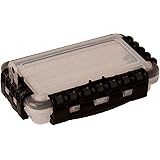
Clippers are needed to cut your line. Pliers help remove hooks safely. They protect both you and the fish. A tackle box organizes your gear. However, a 5-gallon bucket works just as well.
The bucket can also double as a seat. This adds comfort to your fishing trip. Safety is always important. Proper tools make fish handling simple. These small items make a big difference for convenience.
Don’t Forget Your Fishing License!
Before casting, secure a fishing license. Tom mentions this crucial step. Most states require one for adults. Children under a certain age are often exempt. Check your local regulations for details.
Purchasing a license supports conservation efforts. It funds habitat protection and fish stocking. This ensures healthy fish populations. It contributes to sustainable fishing for everyone. Respecting these rules is part of the sport. It helps preserve the natural environment.
With all this information, you are well-prepared. Your first outdoor adventure awaits. Remember, getting started fishing is about the journey. Enjoy the process of learning. Soon you’ll be sharing your own fishing stories. It’s an adventure waiting to happen.
Reeling In Your Questions: Your Basic Fishing Q&A
Why should I try fishing?
Fishing offers peace, challenge, and a connection with nature, providing a great escape from daily stress. It helps you relax, recharge, and create lasting memories with family and friends.
Where is a good place for a beginner to fish?
Local lakes or ponds are ideal for beginners because they are often calm and accessible. Look for spots known for panfish like bluegill or crappie, but always check local regulations first.
What essential fishing gear do I need to start?
You’ll need a simple rod and reel combo, durable fishing line, hooks (sizes 6-10), small weights (split shots), and a bobber. Live bait like worms is also very effective for attracting fish.
Do I need a fishing license to start fishing?
Yes, most states require adults to have a fishing license before fishing. Children under a certain age are often exempt, but you should always check your local regulations for specific details.