Embarking on a fishing trip, whether it is for pier fishing or beach fishing, often brings visions of relaxation and impressive catches. However, the excitement can quickly turn to frustration when faced with unexpectedly high costs for fishing gear and tackle. As highlighted in the video above, many anglers find themselves overspending at local bait shops, sometimes shelling out hundreds of dollars for items that could be acquired far more economically. This comprehensive guide will delve deeper into intelligent strategies for saving money on your essential **pier fishing gear** and **beach fishing gear**, ensuring you are well-equipped without breaking the bank.
Consider the common scenario: you arrive at your dream fishing destination, eager to cast your line, only to realize you have forgotten crucial items. A quick trip to a convenient bait shop seems harmless until the bill totals upwards of $200 for basic terminal tackle like sinkers and hooks. Such unforeseen expenses significantly detract from the overall enjoyment of your outing. By implementing smart purchasing habits and careful preparation, you can drastically reduce these costs, making your next coastal adventure more affordable and more rewarding.
Revolutionize Your Tackle Box: Smart Gear Acquisition Strategies
Securing high-quality **fishing gear** does not always necessitate paying top dollar for brand-new items. Savvy anglers know there are often overlooked avenues that provide excellent value and superior durability. Here are some of the most effective methods to save money on your tackle.
1. Unearthing Treasures at Thrift Stores and Vintage Shops
One of the most surprising yet effective ways to acquire premium fishing rods and reels is by exploring second-hand markets. Thrift stores, vintage shops, and even online marketplaces often feature fishing equipment from individuals who are simply clearing out their garages or do not fully understand the true value of their items. Imagine discovering a robust, classic fishing rod for a mere fraction of its original price, perhaps just $20-$30, when a comparable new rod from a big box store like Bass Pro might cost over $100.
Many vintage rods and reels were meticulously crafted with durable materials, designed for longevity rather than planned obsolescence. These older pieces are frequently described as “built like tanks” because they often feature more metal components and simpler mechanics, making them incredibly resilient and surprisingly easy to maintain or repair. For instance, a vintage reel acquired for around $30 could easily outperform a modern, more expensive counterpart in terms of durability and performance. When selecting vintage gear, look for minimal corrosion, smooth reel action, and solid rod guides. While cosmetic wear is common, ensure there are no deep cracks in the rod blank or excessive play in the reel handle.
2. Capitalizing on Bulk Purchases for Terminal Tackle
After selecting your main rods and reels, the next significant cost factor in **pier fishing** and **surf fishing** is terminal tackle. This category includes essential items such as sinkers, hooks, swivels, and leader line. Purchasing these necessities individually from local bait shops can quickly inflate your budget, often leading to expenses of $200 or more during a single trip, as mentioned in the video. Fortunately, there is a far more economical approach.
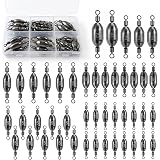
Ordering terminal tackle in bulk online, from platforms like Amazon or specialized fishing supply websites, can cut your costs dramatically. For example, pyramid sinkers, which are crucial for anchoring your bait in sandy or current-heavy conditions, might cost $1.25 each at a bait shop. However, buying a box of these online could reduce the per-piece cost to as low as 60 cents, effectively halving your expenditure. This strategy extends to hooks, swivels, and various leader lines. Bulk buying not only saves money but also ensures you have a generous supply of critical components, preventing those inconvenient mid-trip shortages.
Mastering Your Pier Fishing Setup
For anglers targeting the calmer, deeper waters found around piers, a specialized setup is highly beneficial. The video highlights a practical two-rod approach, which efficiently covers various fishing scenarios. Understanding the nuances of each setup optimizes your success and enjoyment.
Essential Pier Rod and Reel Configurations
The first setup typically involves a lighter rod and reel combination, often designated as your “Sabiki rod” or bait rod. A 7-foot medium-light rod paired with a quality spinning reel like a Shimano CI4+, spooled with 10-pound test line, serves this purpose perfectly. This sensitive setup is ideal for catching smaller baitfish, which can then be used to target larger species. The medium-light action allows for delicate presentations and detection of subtle bites, crucial for bait collection.
For targeting larger game fish from the pier, a more robust setup is required. The video recommends two strong options. One is a conventional reel, such as a Penn International, spooled with 65-pound braid. This reel, often paired with another sturdy vintage rod, excels for heavy-duty fishing where extreme casting distance is less critical. Conventional reels are renowned for their cranking power and durability, making them superb for battling substantial fish. The other big fish option involves a spinner reel on a 7-foot medium-heavy rod, typically spooled with 30 to 40-pound braid. This setup offers versatility, allowing for both bait fishing and casting artificial lures for larger predators.
A key distinction for pier fishing gear is that you typically do not require the extremely long rods used for surf casting. Since you are already positioned over deeper water, shorter rods around 7 feet provide ample leverage and casting capability for most pier scenarios.
Optimizing Your Surf Fishing Setup
Surf fishing presents a unique set of challenges compared to pier fishing, primarily due to the need to cast beyond breaking waves and keep your line clear of heavy weed lines. Your **beach fishing gear** must be designed to overcome these environmental factors effectively.
Strategic Surf Rod and Reel Combinations
For effective surf fishing, a longer rod is paramount. Rods ranging from 9 to 12 feet are preferred, as their length enables significantly longer casts, allowing your bait or lure to reach the deeper troughs where fish often congregate. A high-quality graphite rod, such as a 9-foot medium-power Saint Croix, offers a balance of strength and sensitivity. While these rods can be a bit pricier initially, their longevity and performance make them a worthwhile investment for serious surf anglers.
When selecting reels for surf fishing, versatility is valuable. A robust spinning reel like the Shimano Stratik can double effectively as both a pier and surf reel, capable of handling the larger fish often encountered in the surf zone. For heavy-duty surf applications, 30 to 40-pound braid is generally recommended. This heavier line test provides the necessary strength to combat powerful runs from large fish and helps prevent break-offs, which are frustratingly common with lighter lines.
Furthermore, exploring vintage reels can yield excellent results for surf fishing. Certain older models, like the Ru Pacific (Rumor), were specifically engineered for beach environments and offer exceptional durability. Another intriguing option is the Alvey side caster, a reel particularly popular in Australia. These unique reels excel at casting far with a distinct technique and are known for their incredibly simple, robust construction, making them almost indestructible. Imagine casting effortlessly over crashing waves with a $15 reel you found online, outperforming much newer, more complex models.
The Indispensable Role of Preparation and Essential Accessories
Beyond rods and reels, successful and cost-effective fishing hinges significantly on meticulous preparation and remembering often-forgotten accessories. These small items can save you considerable expense and frustration once you are on location.
Never Forget These Critical Beach and Pier Essentials
One of the most frequently forgotten items for beach fishing is the sand spike. These simple holders keep your rod elevated off the sand, protecting your reel from abrasive grit and allowing you to set multiple lines. It is common for anglers to buy new sand spikes on almost every trip due to forgetfulness, accumulating many at home. Similarly, an aerator is crucial if you plan to use live bait. A portable, battery-operated aerator keeps your bait lively and healthy, significantly increasing your chances of a catch. These are inexpensive online and can be packed easily, avoiding the need to purchase overpriced ones at local bait shops.
Buckets are another surprisingly overlooked item. Whether for holding water for live bait, carrying your catch, or simply collecting trash, a sturdy bucket is indispensable. Packing one from home prevents the need to buy one alongside bait. Think proactively about every stage of your fishing trip, from bait management to handling your catch, to identify all the small, easy-to-forget items that can quickly add up.
Enhancing Your Experience with Knowledge and Tackle Kits
While gathering the right gear is fundamental, understanding how to use it effectively, read the environment, and implement best practices is equally important. For those new to **pier fishing** or **beach fishing**, or even experienced anglers looking for a structured approach, educational resources and curated tackle kits can be invaluable.
Bridging the Gap: From Novice to Nimble Angler
Many anglers, especially beginners, struggle with choosing appropriate hook sizes, sinker weights, and rig configurations for different conditions. The video mentions specialized adventure kits for both pier and surf fishing, which are designed to simplify this process. These kits often come pre-assembled with a selection of essential terminal tackle and, more importantly, an accompanying guide. Such a guide can be a game-changer, teaching you critical skills like how to tie various rigs, choose the best bait for specific species, read tides and currents, identify prime fishing “hot spots” at a pier or beach, and select the correct sinker size for prevailing conditions.
For instance, understanding why pyramid sinkers are ideal for anchoring in sandy surf versus egg sinkers for a freer drift on a pier, or how to distinguish a feeding trough from a sandbar, are skills that significantly increase your success. These guides serve as a quick reference, allowing you to troubleshoot problems when fish are not biting or when conditions change. Even if you choose to source your gear individually, investing in a comprehensive guide (often available in PDF format for easy access) can drastically shorten your learning curve and boost your confidence on the water.
A Call for Sustainable Fishing Practices
Beyond the practicalities of gear and technique, every angler bears a responsibility towards the long-term health of our aquatic ecosystems. The discussion around sustainable fishing practices is increasingly vital, particularly in areas where regulations may be lax or nonexistent.
Protecting Our Oceans: The Future of Fishing
The global fishing community faces a significant challenge: balancing recreational enjoyment with ecological preservation. Reports from international subscribers reveal that some regions lack comprehensive fishing regulations, leading to unchecked harvesting regardless of fish size or quantity. This absence of oversight contributes directly to declining fish populations and smaller average sizes, impacting the overall health of marine environments.
Adopting responsible fishing habits is crucial for sustainable fishing. This includes practicing “catch and release” for undersized fish, allowing them to grow and reproduce. Imagine the long-term impact if every angler made a conscious decision to release smaller specimens, ensuring future generations of fish. Furthermore, it means being mindful of bag limits (even if self-imposed), avoiding over-harvesting, and being selective about what you keep. If you are catching fish merely for the sport and not for consumption, consider releasing them gently. Employing appropriate gear and techniques that minimize harm to released fish also plays a critical role. Our collective actions, regardless of location, directly influence the abundance and vitality of the fish populations we cherish. Sustainable fishing starts with us, the current generation of anglers, ensuring vibrant fisheries for years to come.
Your Queries on Cost-Effective Coastal Fishing Gear
How can I save money on fishing gear for pier or beach fishing?
You can save money by finding vintage rods and reels at second-hand stores, and by purchasing essential terminal tackle like hooks and sinkers in bulk online.
What kind of fishing rod is best for pier fishing compared to surf fishing?
For pier fishing, shorter rods around 7 feet are typically good because you’re already over deeper water. For surf fishing, longer rods (9 to 12 feet) are better to cast your line past the breaking waves.
What are some important accessories I should remember to bring for beach fishing?
Essential items include a sand spike to keep your rod out of the sand, an aerator if you plan to use live bait, and a sturdy bucket for holding water or your catch.
What does ‘sustainable fishing’ mean?
Sustainable fishing means adopting responsible practices, like releasing undersized fish and respecting catch limits. This helps protect fish populations and ensures healthy aquatic environments for the future.