Have you ever spent a peaceful day by the water, only to witness the quiet disruption caused by an overabundance of certain fish species? Perhaps you’ve seen firsthand the ripples of change as invasive fish outcompete native populations, altering entire aquatic ecosystems. The video above, with its telling sounds of rustling reeds and precise gunshots, hints at one direct and increasingly recognized method for addressing this ecological challenge: airgun fishing for pest fish control.
For many outdoor enthusiasts and conservation-minded individuals, the idea of managing fish populations with an airgun might seem novel. However, it’s a practice gaining traction as a targeted and effective solution for combating detrimental invasive or overpopulated native species. This isn’t just about a unique fishing method; it’s a vital tool in maintaining the delicate balance of our waterways.
Understanding the Threat: Why Pest Fish Control Matters
One primary reason individuals turn to airgun fishing is the ecological damage wrought by certain fish species. Invasive aquatic species, like common carp, snakeheads, or even certain types of tilapia in non-native habitats, can devastate local environments. They often outcompete native fish for food and habitat, destroy aquatic vegetation, and degrade water quality, leading to a cascade of negative effects throughout the ecosystem.
Studies have consistently highlighted the significant impact of these species. For instance, a report from the U.S. Fish & Wildlife Service estimated that invasive species cost the American economy billions of dollars annually in damages and control efforts, with aquatic invasives being a substantial portion of this figure. The disruption isn’t just economic; it’s a threat to biodiversity. Experts estimate that invasive species are a leading cause of endangerment and extinction for native fish species in various regions, shifting entire aquatic food webs and altering habitats permanently.
The Rise of Airgun Fishing for Pest Management
Two decades ago, airgun fishing might have been considered a fringe activity. Today, however, it’s increasingly recognized for its precision and effectiveness, particularly when traditional methods like netting or rod-and-reel fishing prove inefficient for large, wary, or widely dispersed pest populations. The ability to accurately target specific fish in challenging environments, such as shallow, reedy areas like those implied by the video’s sounds, gives airguns a distinct advantage.
This method offers a highly selective approach, allowing the operator to identify and remove only the problematic species, minimizing impact on non-target fish. Compared to broad-scale methods like chemical treatments or exhaustive netting operations, airgun fishing provides a surgical strike against the culprits. It’s not a silver bullet, but it’s a powerful component in an integrated pest management strategy, especially in smaller, contained bodies of water or specific stretches of rivers where precision is paramount.
Essential Gear for Responsible Airgun Fishing
Three key components define successful and safe airgun fishing: the air rifle itself, appropriate ammunition, and crucial safety gear. Choosing the right equipment ensures both effectiveness and ethical practice.
Selecting Your Air Rifle
- **PCP (Pre-Charged Pneumatic) Air Rifles:** These are often preferred for airgun fishing due to their power, consistency, and multi-shot capabilities. A PCP rifle typically uses a high-pressure air tank, providing numerous shots before needing a refill. They are generally quieter and more accurate than other types. For effective pest fish control, a caliber of .22 or .25 is usually recommended, providing sufficient knockdown power for larger fish.
- **Break Barrel or Spring-Piston Air Rifles:** While generally less expensive, these require a cocking action for each shot, which can be slower. They can still be effective for pest control, especially for individuals on a budget, but consistent accuracy can be more challenging to master.
Ammunition and Optics
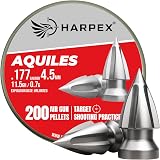
- **Specialized Pellets/Arrows:** Unlike standard hunting pellets, airgun fishing often utilizes specialized fishing arrows or heavy, pointed pellets designed for aquatic penetration. These often have a retrieve line attached, making it easier to pull in the fish after a successful shot.
- **Optics:** A good quality scope is invaluable. It enhances target identification and shot placement, crucial for ethical and humane dispatch. Waterproof and fog-proof optics are a must in humid, aquatic environments.
Safety Equipment
Safety is paramount. Always wear eye protection to guard against ricochets or errant splashes. Hearing protection is advisable, especially when using more powerful airguns. Familiarity with local regulations regarding airgun use and fishing permits is non-negotiable.
Mastering Airgun Fishing Techniques
Four crucial aspects contribute to effective airgun fishing, moving beyond just equipment to the actual practice:
1. **Locating Your Target:** Pest fish often hide in shallow, vegetated areas, much like the reeds indicated in the video’s sounds. Patience and keen observation are key. Look for disturbances in the water, subtle movements, or even backs breaking the surface. Polarized sunglasses can dramatically reduce glare, allowing for better visibility into the water column.
2. **Shot Placement:** For humane and effective dispatch, aim for the head or the spine. This requires precision and a steady hand. Understanding fish anatomy will improve your success rate and minimize suffering. Practice on targets to hone your accuracy before engaging live fish.
3. **Retrieval and Handling:** Once a fish is hit, immediate retrieval is essential. The attached line on fishing arrows makes this relatively straightforward. Handle pest fish responsibly, ensuring they cannot return to the water to continue their destructive impact. Proper disposal, often through composting or legal donation, is part of responsible management.
4. **Environmental Awareness:** Be mindful of your surroundings. The sounds of water splashes and distant bird calls from the video remind us that we are guests in nature. Avoid disturbing native wildlife, and always ensure your backstop is safe, preventing any stray shots from endangering people or property. Shallow water shots, while effective for certain species, require extra caution to prevent ricochets.
Legal and Ethical Considerations in Pest Fish Control
Five vital points underpin responsible airgun fishing practices:
1. **Legality First:** Before even considering airgun fishing, it is absolutely essential to research and understand all local, state, and national regulations. Many jurisdictions have specific rules regarding the use of airguns for hunting or fishing, often requiring specific permits or restricting use to certain areas or species. Ignoring these can lead to significant penalties.
2. **Species Identification:** Correctly identifying pest fish is critical. Misidentifying a native or protected species as a pest can have severe ecological and legal consequences. Carry a field guide or use reliable apps to confirm the identity of your target species before taking any action. Reports from wildlife agencies frequently emphasize the importance of accurate identification to avoid harming beneficial species.
3. **Ethical Disposal:** Once removed, pest fish must be disposed of ethically and legally. This usually means not releasing them back into any waterway, even if they appear dead. Many areas encourage composting or burying, while others might have collection points or even allow them for consumption (if safe and permitted). Never discard fish in a way that could spread diseases or attract scavengers to populated areas.
4. **Humane Practice:** Always strive for a humane kill. This means aiming for vital areas and ensuring a quick, clean dispatch. The goal is pest control, not cruelty. Data from animal welfare organizations consistently shows that responsible hunting practices prioritize minimizing animal suffering.
5. **Conservation Mindset:** Approach airgun fishing for pest control with a conservation mindset. The ultimate goal is to restore ecological balance, not simply to remove fish. Understand how your efforts contribute to the broader health of the aquatic ecosystem and be prepared to adapt your strategies as conditions change or as specific pest populations decline.
The Broader Impact: Airgun Fishing’s Role in Ecosystem Health
The practice of airgun fishing for pest fish control extends beyond the individual act of removal; it plays a critical role in restoring balance and health to aquatic environments. By selectively targeting and removing invasive or overpopulated species, this method can significantly reduce competitive pressure on native fish, allowing them to recover and thrive. This, in turn, can help restore natural food webs, improve water quality by reducing destructive foraging behaviors (like carp rooting up vegetation), and rejuvenate vital aquatic plant habitats.
The long-term benefits of such interventions are substantial. Ecosystems that regain their native species dominance become more resilient to future disturbances and are better able to support a diverse range of flora and fauna. While airgun fishing is just one tool, its precision and effectiveness make it a valuable asset for individuals and groups committed to proactive aquatic conservation and responsible stewardship of our natural resources.
Targeting Your Queries on Airgun Pest Fish Control
What is airgun fishing for pest fish control?
Airgun fishing for pest fish control is a method that uses an airgun to remove invasive or overpopulated fish species from waterways. It’s a targeted approach to help restore the balance of aquatic ecosystems.
Why is it important to control pest fish species?
Controlling pest fish is important because invasive or overpopulated species can severely damage aquatic environments. They often outcompete native fish for food and habitat, destroy plants, and degrade water quality.
What kind of airgun is recommended for airgun fishing?
PCP (Pre-Charged Pneumatic) air rifles are often preferred for airgun fishing due to their power, consistency, and accuracy. A .22 or .25 caliber is typically recommended for effective pest fish control.
What essential safety and legal steps should I take before airgun fishing?
Always wear eye and hearing protection, and it’s absolutely crucial to research and understand all local, state, and national regulations regarding airgun use and fishing permits. You must also correctly identify pest fish to avoid harming native species.