Mastering the Art of Surf Fishing for Food: Beyond the Video’s Thrills
For many avid anglers, the allure of the surf is irresistible, offering not just the thrill of the catch but also the unique satisfaction of a fresh, wild-caught meal cooked right on the beach. As highlighted in the accompanying video, a successful surf fishing for food adventure combines keen observation, the right gear, and a passion for the ocean’s bounty. This pursuit transcends mere sport; it’s a primal connection to nature, culminating in a culinary experience that’s hard to beat.
Navigating the dynamic environment of the surf requires a specialized approach, from identifying prime feeding grounds to executing precise casts and handling your prized catch. Let’s delve deeper into the strategies and techniques that transform a day on the sand into a memorable catch and cook feast.
1. Essential Gear for Productive Surf Fishing Expeditions
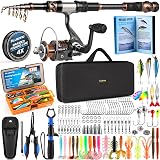
A productive surf fishing setup begins with carefully selected tackle designed to withstand the harsh coastal environment and target specific species. While the video showcases the versatility of both “big rods” for shark fishing and “small rods” for table fare, understanding the nuances of each is crucial for maximizing your success on the sand.
Firstly, for targeting pelagic species like Spanish mackerel, a medium-light to medium-action spinning rod, typically 7-9 feet in length, paired with a 3000-4000 size reel spooled with 15-20 lb braided line, proves highly effective. This lighter setup allows for longer casts with smaller lures and provides the necessary sensitivity to detect subtle strikes from fast-moving fish.
Secondly, for heavier species or shark fishing, robust surf rods ranging from 10 to 15 feet, capable of handling heavier weights (4-8 oz), are indispensable. These rods, often paired with 6000-10000 size conventional or spinning reels spooled with 30-80 lb braided line, provide the leverage and power needed to cast large baits and subdue powerful predators. Always ensure your terminal tackle, including swivels, snaps, and hooks, matches the strength of your main line and leader material, which should be fluorocarbon or monofilament from 30-80 lb test, depending on the target.
The choice of lures is also paramount; as demonstrated in the video, metal spoons are phenomenal for Spanish mackerel and other pelagic fish. A two-ounce spoon, like those mentioned, provides excellent casting distance and mimics baitfish effectively. Other effective options include Gotcha Plugs, Kastmasters, and even soft plastics rigged on jig heads, particularly when baitfish are smaller.
2. Decoding the Ocean: Identifying Productive Fishing Spots and Species
Success in surf fishing hinges on your ability to “read the beach” and understand where fish are likely to feed. The ocean is a dynamic system, and paying attention to environmental cues can significantly increase your catch rates, just as the video anglers did by observing working birds.
Firstly, active birds diving and congregating over the water are a classic indicator of baitfish schools being driven to the surface by predators. This spectacle, often referred to as “birds working,” means game fish like Spanish mackerel and bluefish are actively feeding below. Positioning yourself to cast into or just beyond this commotion is often incredibly productive.
Secondly, look for “blow-ups” or “boiling” on the surface, which signifies fish actively busting bait, as vividly described in the transcript. These are direct visual confirmations that your target species are within casting range. Focus your casts on the fringes of this activity, as fish are often wary of direct splashes but will readily strike lures mimicking fleeing bait.
Thirdly, understanding beach topography is vital. Look for features like sandbars, sloughs, and rip currents. Sloughs are deeper troughs between the beach and a sandbar where fish often cruise and feed. Rip currents, identifiable by areas of choppy water or discolored water pushing offshore, can also be highways for baitfish and predators. Targeting the edges of these structures or casting into the calmer water behind sandbars often yields excellent results.
Spanish mackerel, frequently caught in the video, are aggressive, schooling pelagic predators known for their sharp teeth and powerful runs. They feed primarily on small baitfish, making shiny, fast-moving spoons irresistible. Ladyfish, another common catch, are often found in the same areas, providing exciting acrobatic fights, though they are generally less prized for their table quality.
3. Advanced Techniques for Shore-Based Angling
Beyond basic casting, several refined techniques can elevate your surf fishing game, particularly when targeting a variety of species from small table fare to formidable sharks. The video showcases excellent examples of adaptable fishing strategies.
Firstly, when casting spoons for pelagic fish, a rapid, erratic retrieve often triggers aggressive strikes. Vary your retrieve speed and incorporate short pauses or jerks to simulate a wounded baitfish, making your lure appear more vulnerable. Remember, Spanish mackerel are swift, so a fast retrieve is key to imitating their natural prey.
Secondly, the strategic use of a kayak for bait deployment for shark fishing, as shown, is a highly effective method. This technique allows anglers to place large cut baits or whole fish baits far beyond typical casting range, often targeting deeper channels or shark highways. Rig these baits on heavy-duty wire leaders with large circle hooks to prevent bite-offs and ensure clean hooksets. Safety during kayak deployment, especially in the surf, is paramount; always assess wave conditions and ensure you have proper flotation and communication devices.
Thirdly, mastering the art of observation extends to identifying potential feeding opportunities beyond just birds. Changes in water color, presence of jellyfish, or even schools of small baitfish congregating near the shoreline can signal a potential feeding frenzy. The video’s advice to “run down the beach a couple times” to find action is spot on; mobility is a major advantage for surf anglers.
Fourthly, be mindful of environmental conditions like seaweed, which can make fishing challenging. As noted in the video, excessive seaweed can foul lines and baits, indicating that sometimes, despite the fish being present, conditions might necessitate a change in location or target species. Always adapt to what the ocean presents.
4. From Catch to Culinary Delight: Preparing Your Beach Harvest
The ultimate reward of a successful surf fishing for food expedition is the opportunity to enjoy your fresh catch, transforming it from ocean to plate. Proper handling and preparation are crucial to ensure the best possible flavor, as highlighted by the importance of filleting and removing “red lines” from Spanish mackerel.
Firstly, immediately after landing your fish, either dispatch it quickly and humanely or place it on ice. Rapid cooling helps maintain the quality and flavor of the meat, preventing spoilage. For species intended for consumption, a cooler with plenty of ice is non-negotiable.
Secondly, filleting is a skill that improves with practice, as confessed in the video. When filleting Spanish mackerel, it’s vital to remove the “red line” or “bloodline” that runs down the center of each fillet. This dark strip of muscle contains compounds that can impart a strong, “fishy” flavor if not removed. Use a sharp knife to carefully trim this section out, leaving only the clean, white meat.
Thirdly, beach cooking calls for simple yet effective methods. A portable grill, like the one used, is ideal for quickly cooking fillets over an open flame or charcoal. Seasoning can be minimal, allowing the fresh flavor of the fish to shine through. A simple squeeze of lemon, salt, and pepper is often all that’s needed. For Spanish mackerel, cooking quickly at high heat helps prevent the meat from drying out.
Fourthly, while the video demonstrates grilling, other beach-friendly methods include foil-wrapped baking (where fish and vegetables are cooked together in foil packets directly on coals) or even frying in a cast-iron pan over a campfire. The key is to keep it simple, fresh, and focused on the natural taste of your hard-earned catch.
5. The Unmatched Experience of a Catch and Cook Beach Day
There’s a unique magic to a “catch and cook” day on the beach that transcends the individual acts of fishing and eating. It’s a holistic outdoor adventure, a symphony of natural elements and personal effort, as passionately conveyed throughout the video.
Firstly, the sheer abundance of fish, like the Spanish mackerel encountered, can create what feels like an “unlimited” fishing opportunity, turning a simple outing into a dream day for any angler. Understanding and respecting local bag limits, such as the 15-fish limit often seen for Spanish mackerel, ensures sustainable enjoyment of these resources. Releasing undersized fish or those not intended for consumption responsibly is part of ethical angling.
Secondly, the sensory experience of being on the beach, with the sound of crashing waves, the salty air, and the vibrant wildlife, enhances every aspect of the day. From spotting a magnificent moon at dusk to seeing sharks jumping offshore, these moments connect us deeply with the marine environment.
Thirdly, the camaraderie and shared joy of a fishing trip, even if it’s just with one companion like Jeff, adds another layer of enjoyment. Sharing the effort, the excitement of the catch, and the pleasure of the meal creates lasting memories and strengthens bonds.
Lastly, the taste of freshly caught and cooked fish, enjoyed meters from where it swam, is an unparalleled culinary delight. While a little sand might occasionally find its way into the meal, as humorously noted, the overwhelming freshness and satisfaction make it a truly exceptional experience. This embodies the true spirit of surf fishing for food, merging the thrill of the chase with the simple pleasure of a meal prepared in the wild.
From the Surf to the Skillet: Your Catch-and-Cook Q&A
What is ‘surf fishing for food’?
Surf fishing for food is an exciting activity where you catch fish directly from the beach and then cook your fresh catch, often right on the sand, for a unique meal.
What basic rod and reel setup should I use for surf fishing for smaller fish like Spanish mackerel?
For targeting fish like Spanish mackerel, a medium-light to medium-action spinning rod (7-9 feet) paired with a 3000-4000 size reel and 15-20 lb braided line is highly effective.
How can I find good places to fish on the beach?
Look for active birds diving into the water or fish splashing on the surface, which indicate baitfish and predators. Also, pay attention to beach features like deeper troughs (sloughs) between the beach and sandbars where fish often feed.
What kinds of fish can I expect to catch while surf fishing for food?
Common catches include aggressive schooling fish like Spanish mackerel, known for their sharp teeth and powerful runs, and Ladyfish, which offer exciting fights.
How should I prepare my fish after catching it to cook on the beach?
Immediately place your catch on ice to maintain freshness. When filleting fish like Spanish mackerel, remember to remove the dark ‘red line’ or ‘bloodline’ from the fillet to improve the flavor.