A recent fishing challenge put practical angling skills to the ultimate test: a week of sustenance derived exclusively from the day’s catch. Initially weighing in at 189 pounds, the angler embarked on this arduous survival fishing endeavor with a critical mandate: fish saved could not exceed a single day’s storage. This constraint necessitated consistent success on the water, transforming a recreational pastime into a vital hunt for survival. Such a demanding scenario highlights the importance of strategic planning, diverse angling tactics, and a deep understanding of marine ecosystems.
Optimizing Your Survival Fishing Strategy
Successful survival fishing mandates meticulous preparation. Effective execution relies on a multi-faceted approach. Diversified tactics are paramount for consistent results. Furthermore, understanding local species behaviors is crucial.
Mastering Live Bait Tactics
Live bait often represents the apex of effectiveness. The video showcases the deployment of a cast net. This tool is indispensable for securing fresh forage. Targeting finger mullet or larger mullet proves strategic. Mullet are plentiful in many coastal estuaries. They attract a wide array of predatory fish. Furthermore, a successful bait catch often leads to subsequent main target acquisition. Imagine if your primary target ignored artificial lures; live bait becomes the indispensable solution.
Effective cast net use requires precision. Throwing a net accurately traps schooling baitfish. A swift, wide cast ensures maximum coverage. Proper net retrieval minimizes escapees. Freshly caught bait displays vigorous action. This movement is irresistible to many predatory species. Consequently, live bait significantly increases strike probability.
Rigging for Resilience: The Carolina Rig and Treble Hooks
The choice of rigging is pivotal in survival scenarios. The Carolina rig stands out for its versatility. It features a sliding weight above a swivel. A leader connects to the hook. This setup allows bait to move naturally. It’s ideal for bottom-dwelling species. Moreover, it minimizes resistance felt by biting fish. A sliding weight signals less pressure to the fish. This often leads to more confident strikes.
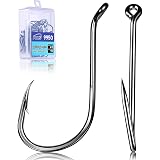
The angler in the video experimented with a treble hook. This choice warrants careful consideration. Treble hooks offer multiple points of contact. They can improve hook-up ratios. However, they also cause more damage to fish. They are often harder to remove. They also pose a greater risk to the angler. In a survival context, landing the fish is paramount. Therefore, the trade-off may be justified. Imagine if a prized flounder slipped a single hook; a treble hook could secure the meal. Nonetheless, ethical angling typically favors single hooks for conservation.
Targeting Key Species: Specks, Flatfish, and More
A diverse catch portfolio enhances survival prospects. Specific species offer different benefits. Understanding their habitats is key. The video highlights several valuable targets.
The Allure of Spotted Seatrout (Speckled Trout)
Spotted seatrout, or speckled trout, are prized catches. They inhabit estuaries and shallow coastal waters. These fish often gather near structures. Rocks and jetties provide ambush points. The video demonstrates success with a 16-inch and a 19.5-inch trout. Both represent excellent eating sizes. Their firm, white flesh is highly regarded. Furthermore, trout strike live bait aggressively. They offer a reliable food source. They are common throughout their range. Their prevalence makes them a primary target for sustenance. Imagine a sparse day of fishing; a productive trout bite sustains the challenge.
The Elusive Flounder
Flounder are another highly sought-after species. These flatfish ambush prey from the seafloor. Their camouflage is exceptional. They prefer sandy or muddy bottoms. A 16-inch flounder was secured on Day 1. This size is well within keeper limits. Flounder possess delicate, flaky white meat. They are considered a delicacy by many. Targeting flounder often requires specific techniques. Slow retrieves near the bottom are effective. Their unique morphology makes them a challenging yet rewarding catch. Successfully landing a flounder significantly bolsters a survival larder.
Other Coastal Contenders: Redfish and Mangrove Snapper
The angler also anticipated catching redfish. These powerful game fish frequent coastal shallows. Redfish often patrol oyster beds and grass flats. Their strong fighting ability makes them exciting to catch. Furthermore, redfish offer substantial fillets. Mangrove snapper are another excellent food fish. They typically congregate around structure. Docks, pilings, and mangroves are prime locations. Snapper provide lean, white meat. Diversifying targets ensures resilience. If one species is scarce, another might be abundant. This multi-species approach is vital for survival fishing success.
Strategic Location and Environmental Factors
Location selection is a critical determinant of success. Anglers must consider various environmental factors. These elements influence fish presence and feeding behavior.
Fishing Near Structures: Rocks and Jetties
The video emphasizes fishing near rocks. Structures like jetties and rock piles are fish magnets. They provide shelter from currents. They also offer ambush points for predators. Baitfish congregate around these areas. This creates a food rich environment. Consequently, larger predatory species follow. Positioning bait as close to the rocks as possible is key. This tactic increases the likelihood of a strike. However, caution is necessary to avoid snags. Imagine a barren shoreline; structures concentrate marine life dramatically.
Understanding Current and Water Conditions
Casting into the current helps bait presentation. It allows bait to settle naturally. It also covers a wider area. Dirty water conditions can be advantageous. Reduced visibility makes fish less wary. They rely more on scent and vibration. The angler noted dirty water on Day 2. This was deemed “perfect conditions” for certain rigs. Successful survival fishing adapts to prevailing conditions. It leverages environmental factors. Furthermore, tides play a significant role. High tides near structures often bring in more fish.
The Realities of a Sustained Fishing Challenge
A survival fishing challenge extends beyond mere catching. It encompasses preparation, processing, and resilience. The mental and physical demands are considerable.
Processing the Catch: From Water to Table
Once fish are caught, processing is next. Measurement against regulations is mandatory. For instance, a 16-inch trout and flounder are keeper size. A 19.5-inch trout is a trophy. Filleting skills, even if “rusty,” are essential. Proper filleting maximizes edible meat. It also removes bones and skin. The angler used a new bucket-mounted fillet board. Such simple innovations can improve efficiency. Hygiene is also critical. Keeping fish on ice, even in a non-Yeti cooler, preserves freshness. This ensures a tasty and safe meal. Seasoning and cooking methods further enhance the experience. Oven-baked fish with cayenne was featured. Imagine the satisfaction of transforming a raw catch into a gourmet meal.
Navigating Setbacks and Maintaining Resolve
Survival challenges are rarely without setbacks. Day 2 of the challenge illustrated this reality. Limited fishing time (only 15 minutes) presented a significant obstacle. The angler failed to catch a keeper fish. A croaker was caught, but deemed “bait,” not food. Hunger and temptation mount during such periods. The sight of Pop-Tarts and Cliff Bars tested resolve. However, the commitment to the challenge remained. This resilience is paramount. Imagine the psychological toll of an empty cooler after a day’s effort; determination must override discouragement. Consequently, adaptability and persistence define success in survival fishing.
The journey to sustain oneself solely through angling is rigorous. It demands an expert understanding of fish behavior, strategic rigging, and an unwavering mindset. Such a survival fishing endeavor not only tests skill but also deepens appreciation for nature’s provisions.
Reeling in Answers: Your Questions on the Fish-Only Survival Challenge
What is ‘survival fishing’?
Survival fishing is a challenge where someone tries to live for a period, often a week, by only eating the fish they catch. It requires consistent success to provide enough food for sustenance.
Why is using live bait important for fishing?
Live bait is highly effective because its natural movement and scent attract many predatory fish. It significantly increases your chances of getting a bite compared to artificial lures.
What is a Carolina rig and why might it be useful?
A Carolina rig is a fishing setup featuring a sliding weight above a swivel, with a leader connecting to the hook. This setup allows the bait to move naturally near the bottom and often results in more confident bites from fish.
What kinds of fish are mentioned as good targets for eating in coastal waters?
Spotted seatrout (speckled trout) and flounder are excellent targets, known for their tasty meat. Redfish and mangrove snapper are also valuable catches that provide good sustenance.
Where are good places to look for fish when fishing?
Fishing near structures like rocks and jetties is often very effective. These areas provide shelter and ambush points, attracting baitfish and, consequently, larger predatory fish.