When venturing into the wild, the ability to procure your own sustenance can transform a mere outing into a true test of self-reliance. As aptly demonstrated in the video above, securing a meal from the natural environment, particularly from a body of water, isn’t just a skill—it’s a primal imperative. Far from a leisure activity, surviving off fish requires a blend of tactical knowledge, precise execution, and an unyielding survival mindset.
The pursuit of food in a wilderness context transcends recreational angling. It shifts the focus from trophy catches to practical sustenance, where even the smallest sunfish or perch becomes a valuable caloric asset. This isn’t about luxury; it’s about converting raw skill and natural resources into immediate energy, a fundamental pillar of bushcraft and long-term survival strategy. Understanding the nuances of primitive fishing, from gear selection to field dressing, can be the difference between thriving and merely enduring.
Mastering Wilderness Fishing for Survival
Effective wilderness fishing, unlike sport fishing, prioritizes consistency and caloric return over size or species. While the video showcases the opportunistic use of standard gear like a wacky worm or crawfish imitation jig, the true survivalist must be prepared for scenarios where such conventional tools are unavailable. This necessitates a deep understanding of improvised techniques and the behavior of local aquatic life.
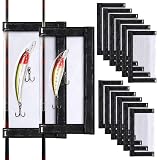
One critical aspect is lure selection, a nuanced art in itself. A wacky worm, for instance, offers a subtle presentation, mimicking a struggling invertebrate—a consistent draw for various freshwater species. Meanwhile, a crawfish imitation jig capitalizes on the predatory instincts of fish, replicating a common food source in many aquatic ecosystems. Even a simple trout magnet, as seen in the video, can be remarkably effective for smaller, more abundant fish when larger game proves elusive.
Adapting Your Approach: Lures and Tactics
Diverse environments demand varied tactics. In clear, shallow coves, light tackle and natural presentations are often paramount. This strategy mirrors the cautious approach needed when fish are easily spooked. Conversely, in deeper waters or areas with heavy cover, a more aggressive approach with lures designed to penetrate obstacles may be required to elicit a strike.
Beyond commercial lures, a true expert in survival fishing understands how to craft rudimentary tackle. Think about creating hooks from thorns, bones, or even discarded metal, paired with lines made from plant fibers or braided sinew. The ability to adapt to whatever materials are at hand is the hallmark of a seasoned outdoorsman. Moreover, patience is a virtue, but persistence is a necessity; a dedicated angler will tirelessly work a promising spot, knowing that a single catch can be a game-changer for survival.
The Survival Mindset: Cruelty, Necessity, and Resourcefulness
The video’s frank declaration, “We don’t eat unless we kill,” starkly highlights the mindset necessary for long-term wilderness survival. This isn’t a game; it’s a direct confrontation with the food chain. Eric’s comment, “You gotta be cruel,” while perhaps jarring to some, underscores the pragmatic and often harsh realities of self-sustenance. Sentimental attachments to game, whether finned or furred, simply cannot exist when survival hangs in the balance.
This perspective extends beyond the act of catching. It influences every decision, from target species selection to efficient processing. Smaller fish like sunfish and perch, often overlooked by recreational anglers, become prime targets. They are generally more abundant and easier to catch, providing a reliable caloric base despite their diminutive size. The adage “a bird in the hand is worth two in the bush” becomes “a sunfish on the hook is worth two bass in the deep.”
Foraging Beyond the Fish: Wild Edibles
Complementing the fish catch, resourceful individuals leverage all available resources. As the team in the video demonstrates, even wild blueberries offer a crucial energy boost. Identifying and safely consuming wild edibles like berries, roots, and greens provides vital vitamins, minerals, and carbohydrates that fish alone might not supply. This diversified foraging strategy ensures a more balanced nutritional intake, essential for sustained physical and mental performance in a survival situation.
A deep knowledge of local flora is just as critical as piscatorial prowess. Misidentification can lead to severe illness or worse, making plant identification a high-stakes endeavor. Carrying a reliable field guide or, better yet, possessing the innate knowledge passed down through experience, allows for the safe integration of foraged plants into the survival diet. It’s a testament to holistic self-sufficiency, ensuring no potential food source is overlooked.
Field Dressing and Primitive Cooking Techniques
Once caught, a fish isn’t food until it’s processed and cooked. The video succinctly shows the cleaning process, though it highlights the efficiency required. Field dressing isn’t just about aesthetics; it’s about hygiene, preservation, and maximizing edible yield. A quick, clean kill followed by immediate gutting prevents spoilage and parasites from compromising the meat. Every ounce of edible flesh is precious in a survival scenario.
The method of cooking—directly over an open flame—is as ancient as humanity itself. This primitive technique not only cooks the fish but also sterilizes it, making it safe for consumption. The charring and smoking impart a unique flavor profile while signaling successful procurement of nourishment. This simple yet profound act connects the modern survivor to countless generations who relied on similar methods to sustain themselves.
Maximizing Your Catch: From Guts to Gills
Efficient field dressing involves more than just removing entrails. A skilled practitioner knows how to quickly scale or skin the fish, depending on species and preference, and then separate the fillets. In a true survival context, however, little goes to waste. The fish head and bones, often discarded, can be boiled to create a nutrient-rich broth—a valuable source of hydration and minerals. Even organs, when properly prepared, can offer critical nutritional value.
Cooking methods can also be diversified. While direct grilling is effective, fish can also be wrapped in large leaves (like maple or sycamore, ensuring non-toxicity) and cooked in embers for a steaming effect, preserving moisture. Smoking fish, while more time-intensive, is an excellent method for preservation, extending the shelf life of your hard-won protein. Mastery of these diverse techniques ensures that your efforts in surviving off fish yield the maximum possible benefit.
The Broader Impact: Self-Sufficiency and Respect for Nature
Ultimately, the ability to procure food directly from the wild instills a profound sense of self-sufficiency and a deeper connection to nature. It moves beyond the theoretical discussions of survivalism into tangible, life-sustaining action. Each fish caught and consumed represents a direct interaction with the ecosystem, fostering a heightened respect for the delicate balance of life.
This journey of learning to live off the land, exemplified by efforts like surviving off fish, transcends mere skill acquisition. It builds resilience, resourcefulness, and a profound appreciation for the nourishment that nature provides. It is a skillset that not only empowers individuals in emergency situations but also enriches their everyday understanding of the world around them, offering a compelling alternative to complete reliance on modern conveniences.
Hook, Line, and Sinker: Your Fish Questions
What is the main difference between survival fishing and regular sport fishing?
Survival fishing focuses on consistently catching fish for sustenance and calories, rather than for recreation or trophy catches. It’s a critical skill for self-reliance in the wild.
What kind of mindset is needed for surviving off fish in the wilderness?
A survival mindset requires pragmatism and a direct understanding that you must procure food to live. Sentimental attachments to game cannot exist when survival is at stake.
What are some basic lures that can be effective for survival fishing?
Common and effective lures for survival fishing include a wacky worm, a crawfish imitation jig, and a trout magnet. These mimic natural food sources for various fish.
Besides fish, what other food sources can help in a wilderness survival situation?
In addition to fish, resourceful individuals can forage for wild edibles like berries (e.g., blueberries), roots, and greens. These provide crucial vitamins, minerals, and carbohydrates.
What are the essential steps after catching a fish for survival?
Once caught, a fish needs to be field dressed (cleaned) quickly to prevent spoilage and then cooked, often over an open flame, to make it safe for consumption and maximize its nutritional value.