There’s a unique allure to disappearing into the wilderness, trading the familiar for the untamed beauty of nature. This often culminates in the satisfaction of an overnight camping and fishing trip, where every step and decision contributes to a memorable adventure. As seen in Muskrat Jim’s recent journey to Chatham Reservoir, a well-planned expedition combines thoughtful navigation with practical outdoor skills, promising both challenge and reward.
Venturing out for overnight camping and fishing at a reservoir requires more than just a backpack and a fishing rod. It demands preparation, an understanding of your surroundings, and a keen eye for nature’s subtle cues. Jim’s detailed account provides valuable insights into the realities of such a trip, from mapping out a route to identifying wild edibles and setting up a comfortable camp.
Navigating the Wild: Precision Route Planning for Remote Fishing Spots
Embarking on an overnight camping and fishing excursion begins long before stepping onto the trail. Careful route planning is absolutely essential for reaching remote destinations like the Chatham Reservoir. Jim demonstrated this by meticulously consulting Google satellite views, using prominent landmarks like power lines for orientation.
Effective wilderness navigation involves identifying key features and potential obstacles. Strategic detours around marshy areas, as Jim planned, can save significant time and effort. Reaching deeper water sections along the reservoir’s edge, often less fished, significantly increases your chances of a successful backcountry fishing experience.
Discovering Nature’s Bounty: Identifying Edible Plants and Observing Wildlife
The wilderness offers more than just scenic views; it’s a living larder and an open-air classroom. During his hike, Jim pointed out several fascinating plants, enriching the journey with practical botanical knowledge. Learning about wild edibles forms a crucial aspect of responsible outdoor adventure and self-sufficiency.
For instance, Bunchberry (Cornus canadensis), a member of the Dogwood Family, produces edible but mildly flavored berries. While not a primary food source, these provide nourishing sustenance during an extended stay. Chamomile, with its tiny daisy-like flowers, is renowned for its calming properties and can be brewed into a soothing tea from its leaves and blossoms. The unmistakable mint plant, identified by its strong scent and distinct leaf structure, offers a refreshing treat or a fragrant addition to hot drinks.
Observing animal signs, such as squirrel-eaten pine cones or well-used deer runs, provides insight into local wildlife activity. These observations can guide you towards essential resources like water sources, where animals frequent regularly. Spotting deer hoof prints near the water’s edge hints at optimal locations for wildlife viewing or potentially finding good fishing spots.
Setting Up Camp: Ensuring Comfort and Practicality in the Backcountry
After a strenuous day of hiking to a secluded spot, establishing a comfortable and strategic campsite becomes paramount for an overnight camping and fishing trip. Jim’s process of finding a suitable clearing near the water, with a view, highlights key considerations for any backcountry camper. Proximity to water is vital for both convenience and safety.
Temperature regulation is another critical element for a comfortable night in the wild. Jim noted the day’s warmth, ranging from 70 to 75 degrees Fahrenheit (mid to high 20s Celsius), expecting cooler night temperatures in the high 40s Fahrenheit (8 degrees Celsius). Checking the temperature rating on your sleeping bag’s stuff sack, as Jim did, ensures you are adequately prepared for anticipated overnight conditions, preventing discomfort or even hypothermia.
Hydration and Sustenance: Essential Backcountry Logistics
Proper hydration and nutrition are cornerstones of a successful multi-day outdoor adventure. Recognizing the limitations of carrying only two liters of water, Jim wisely brought a water filter, a non-negotiable item for extended trips. This device allows for the safe consumption of natural water sources, significantly reducing pack weight and ensuring continuous access to potable water.
The gravity feed method for water filtration, as demonstrated, offers a highly efficient way to process water. By suspending the dirty water reservoir with the filter attached, gravity effortlessly draws water through, collecting clean water in a receiving container like a kettle. This setup minimizes effort and conserves energy after a demanding hike, making it ideal for overnight camping and fishing.
Backcountry meals, though simple, provide essential energy for demanding activities. Jim’s menu of kippered snacks, instant noodles, a granola bar, and cheese with crackers represents a pragmatic approach. These items are lightweight, non-perishable, and require minimal preparation, perfect for a quick and satisfying meal at the end of a long day.
The Angler’s Pursuit: Advanced Fishing Strategies at the Reservoir
Fishing at a remote reservoir presents unique challenges and opportunities. Jim’s observation of fish jumping for flies underscores the importance of adapting one’s fishing strategy to prevailing conditions. While lures are effective for various fish species, a fly rod and appropriate flies often yield better results when fish are actively feeding on surface insects.
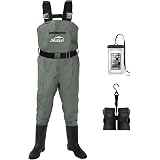
For shoreline fishing, targeting areas with deeper water or submerged structures often proves more productive. Fish tend to congregate in such locations for cover and access to food. If shoreline access is limited or fish are holding further out, employing waders can dramatically increase your reach and fishing versatility. This allows anglers to present their offerings in prime feeding zones that are otherwise inaccessible from the bank, enhancing the overall overnight camping and fishing experience.
Embarking on an overnight camping and fishing journey demands a blend of preparation, adaptability, and an appreciation for the natural world. From careful navigation to thoughtful campsite selection and efficient water management, every aspect contributes to a rewarding outdoor adventure. Embracing these principles ensures a successful and enjoyable reservoir camping and fishing expedition.
Diving into Your Reservoir of Questions
Why is route planning important for an overnight camping and fishing trip?
Careful route planning is essential to safely reach remote destinations, identify potential obstacles, and find the best, less-fished spots along the reservoir. It ensures a smoother and more successful trip.
How can I get clean drinking water during an overnight camping trip?
You should bring a water filter to safely purify water from natural sources like the reservoir. This allows you to stay hydrated without carrying excessive amounts of water.
What should I consider when setting up my camp for the night?
Look for a suitable clearing near the water for convenience and safety. Also, check your sleeping bag’s temperature rating to ensure it will keep you warm enough for the expected overnight conditions.
What kind of food is good to bring for backcountry camping?
Lightweight, non-perishable items that require minimal preparation are best, such as instant noodles, granola bars, and packaged snacks. These provide essential energy without adding much weight to your pack.