A self-guided fishing and camping adventure in Iceland offers unparalleled immersion. As demonstrated in the accompanying video, the volcanic mountains provide a dramatic backdrop for such expeditions. Meticulous planning is imperative for a successful Iceland fishing and camping journey. This comprehensive guide provides expert insights for those embarking on a similar Icelandic wilderness experience.
Planning Your Icelandic Expedition
Extensive preparation is crucial for a memorable trip. Logistical arrangements are paramount for Icelandic adventures. An approximately six-hour flight from Baltimore, Maryland, typically initiates the journey.
Accommodation and Transportation
Initial nights may be spent in urban centers like Reykjavik. Subsequent travel involves vehicle rental for touring the country. A car equipped with a rooftop tent is frequently selected. Ground tents can also be utilized for additional capacity. A 10-day camping itinerary is often pursued, allowing thorough island exploration.
Essential Permits and Financial Considerations
Acquiring specific permits is non-negotiable. A camping card grants access to numerous campgrounds nationwide. Furthermore, a fishing card permits angling across approximately 34 designated lakes. It has been observed that expenses in Iceland are considerably higher. Budget allocation must reflect this economic reality.
Specialized Angling Gear
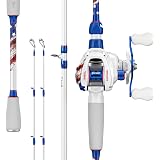
Appropriate fishing equipment significantly enhances success. A spinning rod and a fly rod are typically recommended. Associated gear includes waders, various flies (streamers, nymphs, caddis), and a selection of spinners. A 1/4-ounce spinner, such as the Thomas EP Series, has proven effective. Leader material is also a necessary component. Local tackle shops offer rental options for convenience.
Navigating Iceland’s Diverse Landscapes
Iceland’s geological features offer striking visual appeal. The rugged terrain presents both challenges and rewards. Understanding the environment is vital for explorers.
Roadside Wonders and Hydrological Features
Road-tripping facilitates discovery of natural wonders. Spontaneous stops at grand waterfalls are common. These natural spectacles are often fed by melting snow and ice. This pristine meltwater is frequently potable. Such clear hydrological systems are characteristic of the region.
Volcanic Geology and Climatic Conditions
Evidence of volcanic activity is widespread. Ancient craters, once active volcanoes, provide panoramic vistas. Summertime conditions can still present unexpected snow patches. Furthermore, extreme wind is a consistent environmental factor. Proper attire is essential for comfort and safety.
Cultural Observations and Local Encounters
Cultural nuances are encountered during travel. Puffin merchandise is ubiquitous, reflecting their iconic status. Local rock stacking formations are also observed. Language barriers are a common experience. Navigation often requires reliance on visual cues.
The Art of Freshwater Angling in Iceland
Iceland’s freshwater systems support diverse fish populations. These waters are renowned for their clarity and species richness. Targeting specific species requires methodical approaches.
Prominent Fish Species
The Arctic char (Salvelinus alpinus) is a highly sought-after species. These fish are characterized by their vibrant coloration. Other species include Atlantic salmon (Salmo salar) and various trout. Their presence contributes to the rich biodiversity of Icelandic lakes.
Effective Angling Techniques
Spin fishing is a productive method for Arctic char. A 1/4-ounce spinner, like the Thomas EP Series, has demonstrated efficacy. Fast-moving currents are preferred habitats for Arctic char. Fly fishing with streamers, nymphs, or caddis patterns is also successful. Anglers should consult local hatch reports for optimal fly selection.
Optimal Fishing Locations and Conditions
Crystal-clear waters allow for visual targeting of fish. Strategic positioning under bridges offers shelter from strong winds. Current breaks are particularly productive zones. The first cast can yield immediate results. Success in an unguided setting provides significant personal satisfaction. Observing the fish’s strike and fight in clear water enhances the experience.
Maximizing Your Wilderness Camping Experience
Camping across Iceland necessitates strategic planning. The unique environment demands specialized approaches. A 10-day itinerary allows for comprehensive exploration.
Benefits of a Camping Card
The camping card facilitates access to numerous sites. This streamlines overnight stays across the island. It mitigates the need for daily site reservations. This system supports a flexible road trip schedule.
Challenges and Preparedness
Strong winds are a constant consideration. Tents must be robustly secured. Even in summer, temperatures can be quite low. Warm sleeping gear and appropriate layered clothing are indispensable. Contingency plans for adverse weather are advised.
Sustainable Practices
Respect for the delicate ecosystem is paramount. Adherence to “Leave No Trace” principles is expected. All waste must be properly contained and removed. Minimizing environmental impact ensures future enjoyment of Iceland’s pristine beauty.
Key Takeaways for Icelandic Adventurers
A self-guided journey through Iceland’s volcanic landscapes demands forethought. The rewards, however, are substantial. Careful preparation maximizes the expedition’s success.
Embracing the unexpected is fundamental. Nature’s unpredictable elements are part of the adventure. The value lies in the journey, not solely the catch. Every moment offers a unique perspective. The thrill of catching an Arctic char in such a setting is indeed unforgettable. Planning an Iceland fishing and camping trip provides a profound connection with nature.
Ash and Answers: Your Volcanic Wilderness Q&A
What kind of outdoor adventure can I have in Iceland?
You can embark on a self-guided fishing and camping adventure, exploring volcanic mountains and fishing in Iceland’s stunning wilderness.
Do I need special permits for fishing and camping in Iceland?
Yes, you will need to acquire a camping card for access to numerous campgrounds and a fishing card to fish in approximately 34 designated lakes.
What fish species are common to catch in Iceland’s freshwater?
The highly sought-after species is Arctic char, and you may also find Atlantic salmon and various types of trout.
How do people typically travel and stay overnight on a camping trip in Iceland?
Travel usually involves renting a car, often equipped with a rooftop tent, or utilizing ground tents for a typical 10-day camping itinerary.
What type of fishing gear is recommended for fishing in Iceland?
A spinning rod and a fly rod are typically recommended, along with waders, various flies (like streamers and nymphs), and spinners. You can also rent gear from local shops.