Have you ever scrolled through social media, seen an amazing new fishing gadget, and wondered if it’s truly revolutionary or just clever marketing? The allure of effortlessly catching fish with a high-tech solution can be incredibly tempting for any angler. Our recent video, “Electric Bait SCAM? Instagram Vs Reality,” dives headfirst into this very question, putting a popular robotic fishing lure to the ultimate real-world test.
In the video, our host unboxes and meticulously evaluates one of these animated lures, advertised to swim autonomously and attract fish like magic. The premise is fascinating: a self-propelled, multi-jointed bait designed to mimic the natural movement of a shiner or fall fish. With promises of easy catches, it’s no surprise many anglers, including our host, are curious about its effectiveness. But does this electric fishing lure truly live up to the hype once it hits the water?
Unpacking the Promise of Robotic Fishing Lures
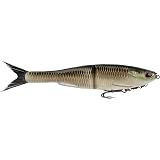
The robotic fishing lure featured in the video is a marvel of small-scale engineering on the surface. It boasts three realistic joints, a front propeller, and hooks both front and back, designed to perfectly resemble common baitfish. The package even includes spare propellers, suggesting a level of expected wear or perhaps a nod to its mechanical nature.
According to the instructions, this innovative bait requires a charging time of two to three hours. The host acquired two different sizes – a 3.5-inch and a 5-inch version – to ensure a comprehensive test. He explicitly notes that the way these electric fishing lures swim in online advertisements looks incredibly realistic. However, the critical question remains whether this translates to actual performance or if it’s merely “marketing mumbo jumbo.”
Initial Impressions and Design Features
Upon inspection, the robotic lure is quite detailed. It mimics the appearance of a shiner, a well-known baitfish, making it visually appealing. The integrated propeller is supposedly what drives its movement, creating a lifelike swimming action.
The small hooks in the back and larger hooks in the front are configured to ensure good hook-sets once a fish bites. Furthermore, the inclusion of steel leaders is a thoughtful addition for anglers targeting fish with sharp teeth. These features suggest a design that considered various fishing scenarios, at least in theory.
Reality Check: Robotic Lure Performance in the Water
The true test for any fishing lure, especially a robotic one, comes when it enters its natural environment. The video quickly reveals a stark contrast between advertised performance and actual results. The initial enthusiasm for the animated lure rapidly transforms into frustration.
Upon its first deployment, the 3.5-inch robotic fishing lure immediately became tangled. It didn’t swim naturally; instead, its movements were erratic and chaotic, described vividly as having “mad cow disease.” Attempts to remedy this, such as adding a bobber or adjusting its position, proved futile. The lure continued to tangle, failing to exhibit the smooth, realistic swimming action promised by its marketing.
Mechanical Malfunctions and Disappointment
The situation didn’t improve with the 5-inch version. While it appeared slightly better, it still fell short of expectations. After repeated attempts, the robotic lure simply stopped working, its propeller ceasing to move despite being fully charged. This mechanical failure after minimal use highlights a significant flaw in its design or durability.
For an investment of $30 per lure—with the host purchasing four, totaling $120—this rapid malfunction and poor performance represent a considerable waste of money. The experience underscores a common pitfall with novel fishing gadgets: their ability to perform reliably and effectively in real-world conditions often falls short of their marketing claims.
The Unrivaled Effectiveness of Live Bait
In a direct comparison, the video then showcases the undeniable power of traditional live bait. After the electric fishing lure failed to entice any bites, the host switched to live shiners, used in the exact same fishing spots. The results were immediate and dramatic.
Using just a small hook and a split shot, the live minnow’s natural swimming motion covered significant distance without any effort from the angler. Within moments, the host began catching peacock bass, demonstrating the potent appeal of natural, living prey. This success strongly contrasts with the complete lack of interest shown in the sophisticated but ineffective robotic lure.
Why Live Bait Continues to Dominate
Live bait possesses inherent advantages that artificial lures, even advanced robotic ones, struggle to replicate. The natural scent, authentic movement, and lifelike texture of a live shiner are irresistible to predatory fish. Fish are wired to detect and react to these biological cues, which static or erratically moving artificial lures often lack.
Furthermore, live bait often has a survival instinct, causing it to move erratically or attempt to hide, movements that perfectly mimic an injured or vulnerable prey item. This triggers a predatory response that even the most meticulously designed animated lure finds difficult to replicate consistently. The swift catches of peacock bass on live shiners in the video serve as a powerful testament to their effectiveness.
Navigating the Live Bait vs. Artificial Lure Debate
The topic of using live bait often sparks debate among anglers, with some considering it “cheating” compared to artificial lures. Our host addresses this directly, inviting viewers to ponder the ethics of their chosen methods. This discussion opens up a broader conversation about different fishing philosophies and techniques.
While live bait undeniably offers a significant advantage in terms of effectiveness, artificial lures also hold a cherished place in angling. Many anglers find immense satisfaction in mastering the presentation of a specific lure, understanding fish behavior, and tricking a fish into biting something unnatural. The host himself recalls his past success with the Senko, a type of freshwater plastic worm bait, which he mastered to catch numerous large bass.
Strategic Choices for Anglers
The “right” choice between live bait and artificial lures often comes down to context. Factors such as target species, water conditions, personal preference, and even local regulations all play a role. For instance, in situations where fish are highly pressured or particular, live bait can be the key to success. Conversely, the versatility and reusability of artificial lures make them a preferred choice for covering large areas or targeting specific depths.
Ultimately, both methods are legitimate forms of angling. The video demonstrates that while advanced gadgets like the robotic fishing lure might promise the best of both worlds, proven techniques, whether live bait or time-tested artificial lures, often yield superior results. It’s about understanding what truly attracts fish and making informed decisions rather than relying on unproven technology.
Beyond the Lure: Rod Durability and Expanding Fishing Horizons
The fishing trip in the video also included an unexpected setback: a fishing rod snapping under the pressure of a fighting fish. The host’s Bass Pro Graphite Series R1 Granite rod, priced at $35, broke after only a few weeks of use. This incident highlights the critical importance of reliable fishing gear, even for seemingly modest investments.
A durable rod is essential for managing strong fish and ensuring a successful and enjoyable outing. While budget-friendly options can be appealing, the longevity and performance of such gear can be questionable. This experience serves as a practical lesson in gear selection, reinforcing that sometimes, saving a few dollars upfront can lead to greater costs and frustrations down the line.
Freshwater vs. Saltwater: A World of Difference
The host also takes a moment to compare his experiences with freshwater and saltwater fishing, offering valuable insights for anglers looking to broaden their horizons. He notes that freshwater fishing, particularly for species like bass, bluegill, or catfish in enclosed systems like canals, can be more predictable. Anglers often know where fish hide, making it “easier” to guarantee a catch.
Saltwater fishing, however, introduces a whole new level of challenge and excitement. The vastness of the ocean and the influence of tides create a dynamic environment where a greater variety of species can be encountered. The thrill of catching a big fish in such a large body of water, often on a tiny hook, is a unique experience. Furthermore, the host emphasizes the joy of being able to sustainably catch and eat fish from the ocean, a contrast to his catch-and-release practice in freshwater canals affected by pesticides.
Key Takeaways for Discerning Anglers
The journey with the robotic fishing lure ultimately serves as a cautionary tale for those easily swayed by flashy new gadgets. While the concept of an electric fishing lure is intriguing, the real-world performance showcased in the video suggests it’s more of a gimmick than a game-changer. It’s a reminder that sometimes, the most effective tools are the ones that have stood the test of time and biology.
Instead of investing in unproven, expensive gadgets that promise effortless catches, focus on mastering fundamental techniques, understanding fish behavior, and choosing reliable gear. Whether you prefer the natural effectiveness of live bait or the challenge of artificial lures, consistent success often comes from knowledge and experience rather than technological shortcuts. Consider broadening your fishing horizons to include saltwater adventures for diverse catches and a different angling experience, always keeping responsible fishing practices in mind. Before your next fishing trip, consider if that animated lure is truly worth your hard-earned money.
Beyond the Instagram Hype: Your Electric Bait Questions
What is an electric fishing lure?
An electric fishing lure is a robotic bait designed to swim autonomously, mimicking natural fish movement to attract catches.
Do electric fishing lures really help you catch more fish?
In real-world tests, electric fishing lures often failed to work as advertised, tangling easily and not attracting fish effectively.
What works better than electric fishing lures for catching fish?
Traditional methods like live bait proved much more effective, consistently catching fish due to their natural scent and realistic movement.
Why should anglers be careful about new fishing gadgets?
New, high-tech fishing gadgets can be appealing but often don’t perform as promised, making it better to stick with proven techniques and reliable gear.