The journey into the world of angling, as beautifully visualized in the accompanying video showcasing various fishing tools, is fundamentally shaped by the equipment you choose. Having the right fishing tools isn’t just about catching more fish; it’s about enhancing your experience, ensuring safety, and making your time on the water more enjoyable and productive. Whether you’re a seasoned pro or just casting your first line, understanding the purpose and proper use of each piece of gear is paramount.
Essential Fishing Tools for Every Angler
Every successful fishing trip begins with a foundation of reliable and appropriate fishing tools. These are the core items that anglers across disciplines rely upon.
1. Rods: The Angler’s Extension
The fishing rod is arguably the most iconic of all fishing tools. It acts as an extension of your arm, allowing you to cast lines, detect bites, and fight fish. Rods vary immensely in length, material, action, and power:
- Length: Shorter rods (5-6 feet) offer more control for accuracy and tight spaces, while longer rods (7-12+ feet) provide greater casting distance and leverage for fighting larger fish.
- Material: Graphite rods are lightweight and sensitive, ideal for detecting subtle bites. Fiberglass rods are more durable and forgiving, suitable for beginners or heavy-duty applications. Composite rods offer a blend of both.
- Action: Describes where the rod bends. Fast action rods bend mostly at the tip, offering sensitivity and quick hook-sets. Moderate action rods bend in the top half, providing a good balance of power and flexibility. Slow action rods bend throughout their length, excellent for casting lighter lures and absorbing shock from strong fish.
- Power: Refers to the rod’s lifting strength. Ultra-light rods are for small fish and delicate presentations, while heavy and extra-heavy rods are for battling large game fish.
2. Reels: The Heart of Your Setup
Complementing the rod, the fishing reel is responsible for holding your line, allowing you to cast it out, and retrieve it efficiently. Different types cater to various fishing styles:
- Spinning Reels: Versatile and user-friendly, spinning reels are popular for their ease of casting and suitability for a wide range of fishing situations, particularly with lighter lures.
- Baitcasting Reels: Offering greater casting accuracy and power, baitcasting reels are favored by experienced anglers for targeting larger fish and using heavier lines and lures. They provide superior control during the fight.
- Spincast Reels: The simplest to operate, spincast reels are often recommended for beginners and children due to their enclosed design and push-button casting mechanism.
- Fly Reels: Specifically designed for fly fishing, these reels are typically single-action and primarily used to store line and provide drag, as the weight of the fly line, not the lure, is cast.
3. Fishing Line: The Unseen Connection
The fishing line is your direct link to the fish. Its choice is critical and depends on water conditions, target species, and preferred fishing technique:
- Monofilament (Mono): An all-around great choice, mono is affordable, stretchy (providing shock absorption), and easy to tie knots with. Its buoyancy can be an advantage for topwater lures.
- Fluorocarbon (Fluoro): Known for its near-invisibility underwater and excellent abrasion resistance. It has less stretch than mono and sinks, making it ideal for presenting baits deeper.
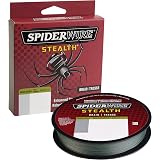
- Braided Line: Extremely strong for its diameter, braided line offers no stretch, providing incredible sensitivity and solid hook-sets. It’s excellent for fishing in heavy cover but requires a fluorocarbon or monofilament leader for stealth.
4. Hooks: The Crucial Point of Contact
Without hooks, catching fish is merely an observation. Hooks come in countless shapes, sizes, and materials, each designed for specific purposes. Key considerations include hook size (larger numbers for smaller hooks), gap, shank length, and point type. Common types include J-hooks, circle hooks (great for conservation as they often hook in the mouth, not the gut), treble hooks, and various specialized designs for specific lures or bait.
5. Lures & Baits: The Enticement
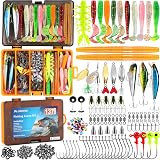
The array of lures and baits is vast, designed to mimic natural prey or stimulate a fish’s predatory instincts. Live baits (worms, minnows, insects) are often highly effective, while artificial lures (crankbaits, soft plastics, spinnerbaits, jigs, topwater) offer versatility, reusability, and the thrill of matching the hatch or triggering a bite.
6. Tackle Box or Bag: Organized Efficiency
A well-organized tackle box or bag is one of the most underrated fishing tools. It keeps your hooks, weights, swivels, lures, and other small essentials tidy, accessible, and protected, saving valuable fishing time and preventing frustration.
Beyond the Basics: Specialized Fishing Tools
While rods and reels form the core, a suite of other specialized fishing tools can significantly enhance your angling prowess and safety.
1. Pliers and Line Cutters: Indispensable Hand Tools
Every angler needs a good pair of fishing pliers. They are essential for removing hooks, crimping weights, and performing minor tackle adjustments. Paired with sharp line cutters (often integrated into pliers or as separate nippers), they ensure clean cuts for knot tying and quick line changes.
2. Nets & Gaffs: Landing Your Catch
For safely landing fish, especially larger specimens, a net is invaluable. It reduces stress on both the fish and your gear, making catch-and-release easier. A gaff, while more specialized, is used by some anglers for bringing very large fish aboard a boat, though its use is often controversial for conservation reasons.
3. Scales & Measuring Tapes: Documenting Your Success
For those who enjoy documenting their catches or adhering to legal size and weight limits, a reliable fish scale and measuring tape are crucial fishing tools. Many digital scales offer memory functions and are compact for portability.
4. Knot Tying Tools: Precision and Strength
While many anglers master knot tying by hand, specialized tools like knot-tying devices can assist with creating strong, consistent knots, especially with slippery lines or in challenging conditions. These are particularly useful for tying intricate knots like the FG knot for braid-to-leader connections.
5. Fish Finders & GPS: Technological Edge
Modern technology has introduced sophisticated fishing tools that dramatically improve efficiency. Fish finders use sonar to detect underwater structures and fish, providing a visual representation of the aquatic environment. GPS units help mark productive spots, navigate, and return to specific locations, greatly aiding in strategic fishing.
6. Waders & Boots: Comfort and Access
For anglers who prefer wading into the water, chest waders and sturdy wading boots are essential. They provide warmth, dryness, and protection, allowing access to prime fishing spots that might otherwise be unreachable from the bank.
7. Safety Gear: Prioritizing Well-being
Beyond the tools for catching fish, essential safety fishing tools are non-negotiable. A well-stocked first-aid kit, a personal flotation device (PFD) for every person on a boat, a whistle, sun protection, and a means of communication (like a fully charged cell phone or marine radio) are vital for any outing, especially on larger bodies of water or in remote areas.
Choosing the Right Fishing Tools for Your Adventure
Selecting the best fishing tools involves a few key considerations that align with your specific angling pursuits.
1. Target Your Species
The type of fish you aim to catch dictates much of your gear. Trout fishing requires light, sensitive gear, while targeting heavy-hitting species like muskie or tuna demands robust, heavy-duty setups.
2. Consider Your Environment
Are you fishing in a small freshwater pond, a vast saltwater ocean, or a fast-flowing river? The environment influences your rod length, line strength, and even the type of waders or boat you might need. Saltwater fishing tools, for example, require greater corrosion resistance.
3. Match Your Skill Level
Beginners often benefit from simpler, more forgiving fishing tools like spinning reels and medium-action rods. As skills develop, anglers might graduate to more specialized gear that offers greater control and performance.
4. Budget Considerations
Fishing tools come in a wide range of price points. It’s important to invest in quality equipment that fits your budget, prioritizing core items like rods, reels, and line. You can always upgrade specialized tools over time.
Maintaining Your Fishing Tools for Longevity
Proper care and maintenance of your fishing tools will ensure their longevity and peak performance, ultimately saving you money and frustration.
1. Cleaning and Drying
After every trip, especially in saltwater, rinse your rods, reels, and tackle with fresh water to remove salt, dirt, and grime. Pay special attention to reels, ensuring they are completely dry before storage to prevent corrosion.
2. Lubrication
Periodically lubricate your reels according to manufacturer instructions. This keeps the internal mechanisms running smoothly and protects against wear and tear.
3. Storage
Store rods in a way that prevents warping or damage, ideally in a rod rack or sleeve. Keep reels and tackle boxes in a cool, dry place away from direct sunlight. Ensure hooks are dry to prevent rust.
4. Checking for Wear and Tear
Regularly inspect your fishing tools. Check rod guides for cracks, reel drag for smoothness, line for nicks or fraying, and hooks for sharpness. Addressing minor issues proactively can prevent major equipment failures on the water.
Casting for Answers: Your Fishing Tool Q&A
What are the core tools every beginner needs for fishing?
Every successful fishing trip starts with a rod to cast and fight fish, a reel to hold and retrieve your line, and fishing line to connect you directly to the fish.
What does a fishing rod do?
A fishing rod acts like an extension of your arm, helping you cast your line, feel when a fish bites, and then fight and reel in your catch. They vary in size and flexibility for different types of fishing.
Which type of fishing reel is best for beginners?
Spincast reels are usually recommended for beginners because they are the easiest to operate, featuring a simple push-button casting mechanism. Spinning reels are also very user-friendly and versatile.
What are the main types of fishing line?
The three main types of fishing line are monofilament (stretchy and affordable), fluorocarbon (nearly invisible underwater), and braided line (very strong and sensitive).