The accompanying video offers rapid, actionable advice for targeting surf halibut. These essential tips, delivered in seconds, streamline your approach. Mastering surf halibut requires precise technique. Anglers often employ specific lures like the Lucky Craft for effectiveness. This deep dive expands on those critical methods. Improve your surf halibut catch rate significantly.
Mastering Surf Halibut Fishing Techniques
Successful surf halibut fishing demands skill. It combines knowledge of halibut behavior with refined angling execution. Precision presentation is paramount. Halibut are ambush predators. They often lie in wait on the ocean floor. Presenting your lure correctly is vital. These techniques enhance your strike opportunities. They capitalize on the halibut’s feeding instincts.
1. Minimizing Slack Line: The Immediate Reel-In
Slack line is a surf angler’s nemesis. It reduces direct lure control. Halibut bites can be subtle. Slack line hinders detection. After casting, close your bail quickly. Begin reeling in immediately. This takes up any excess line. Maintain constant tension. You need direct connection to your lure. This ensures you feel every tap. It also allows an instant hook set. Ocean currents and wave action create slack. Actively manage your line at all times. This precision pays dividends. It ensures maximum feel.
2. The Rod Twitch: Inducing the Strike
Halibut respond to erratic lure movements. A slight rod twitch creates this action. This mimics a struggling baitfish. Such a presentation triggers predatory instincts. Execute a sharp, subtle flick. It can be upward or downward. Observe how your lure reacts. Adjust twitch intensity as needed. Match the twitch to prevailing conditions. Sometimes, a gentle pulse is enough. Other times, a more aggressive snap works. This brief, sudden movement draws attention. It entices a reactive strike. Experimentation reveals optimal twitch cadence. This tactic elevates your lure’s appeal.
3. The Art of the Slow Retrieve: Halibut Predation
Halibut are not pursuit predators. They prefer an easy meal. A slow retrieve is incredibly effective. It allows halibut time to inspect your lure. It makes the lure appear vulnerable. Turn your reel handle minimally. Focus on maintaining bottom contact. Let the current assist your lure’s drift. The slower, the better for halibut. This method keeps the lure in the strike zone longer. It prevents halibut from feeling rushed. This deliberate pace often proves irresistible. Patience is a virtue here. A methodical retrieve is key.
4. The Decisive Hook Set: Ensuring Connection
Detecting a halibut bite requires focus. Bites can feel like a heavy weight. They might also be a gentle tap. Once a bite is confirmed, set the hook firmly. Use a sweeping motion. This ensures the hook penetrates cleanly. Maintain steady pressure afterward. Halibut have tough mouths. A weak hook set often results in a lost fish. Drive the barb home. Keep your rod tip high. Reel consistently to keep the line tight. This minimizes any slack. It prevents the halibut from shaking free. A proper hook set seals the deal.
Advanced Considerations for Surf Halibut Anglers
Beyond the core four tips, other factors impact success. Understanding these nuances further refines your surf halibut strategy. Advanced anglers consider many variables. Each element contributes to a more productive session. Integrate these insights into your routine. Elevate your surf fishing expertise.
Understanding Halibut Habitats
Halibut favor specific ocean floor structures. They often congregate near depressions. Look for sandy channels. Rips and current breaks are prime spots. Structure provides ambush points. They wait for baitfish to pass by. Interpret the surf zone topography. Read the waves for clues. Submerged rocks and reefs attract bait. Halibut will be nearby. Understanding their preferred lies is critical. Cast your lure into these key areas. Focus efforts where halibut likely hide.
Tidal Influence on Surf Halibut
Tides significantly affect halibut activity. Incoming tides often push baitfish closer. This can activate feeding behavior. Outgoing tides can also be productive. They may concentrate bait in specific channels. Stronger currents dislodge food. Halibut exploit these current flows. Observe the tidal phase. Adjust your fishing times accordingly. Slack tide periods might slow feeding. Moving water is generally more productive. Timing your session with optimal tides is crucial. It maximizes your chances of a strike.
Lure Selection Beyond Lucky Craft
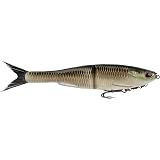
While Lucky Craft lures are proven, variety is wise. Different conditions warrant different lure profiles. Consider jig weights for current. Colors can vary based on water clarity. Darker colors for murky water. Natural hues for clear conditions. Soft plastics often imitate local bait. Hard baits create specific vibrations. Match your lure to available forage. Experiment with sizes and shapes. Having a versatile tackle box is beneficial. It prepares you for any scenario.
Optimal Gear for Surf Halibut
Your gear choice is fundamental. A proper surf rod offers casting distance. It provides the leverage needed for halibut. Medium-heavy action rods are common. Pair it with a robust spinning reel. Size 4000-6000 reels are suitable. Spool with braided line for sensitivity. Braided line cuts through wind better. Use a fluorocarbon leader. This leader provides abrasion resistance. It also offers stealth in clear water. Ensure your knots are strong. Your tackle must withstand powerful runs. Well-matched gear improves performance.
Reel Talk: Your Surf Halibut Questions Answered
What type of fish does this article help me catch?
This article provides rapid, actionable advice specifically for targeting and catching surf halibut, which are fish found near the ocean shore.
What is ‘slack line’ and why should I avoid it when fishing for halibut?
Slack line is excess fishing line that reduces your control over the lure and makes it difficult to detect subtle halibut bites. Minimizing it ensures a direct connection to your lure for better feel and instant hook sets.
Why should I twitch my fishing rod when trying to catch halibut?
Twitching your fishing rod creates erratic movements in your lure, mimicking a struggling baitfish. This action helps to attract halibut and trigger their natural predatory instincts to strike.
What kind of retrieve speed is best for halibut fishing?
Halibut are ambush predators that prefer an easy meal, so a slow retrieve is incredibly effective. This gives them time to inspect the lure and makes it appear more vulnerable.
What is a ‘hook set’ and why is it important for catching halibut?
A hook set is a firm, sweeping motion used to ensure the hook penetrates cleanly into the fish’s mouth after a bite. It is crucial for halibut because they have tough mouths, and a decisive set prevents them from escaping.