Optimizing your fishing tackle box is paramount for consistent angling success. The accompanying video offers a foundational look at essential gear for beginners. This article expands upon those insights, detailing advanced strategies for comprehensive tackle box outfitting. Understanding each component elevates your fishing capabilities significantly.
Strategic Bait Selection for Your Fishing Tackle Box
Effective bait selection is a cornerstone of successful fishing. The video highlights several versatile artificial baits. These items prove invaluable for diverse fishing scenarios and target species.
Soft Plastics: Mimicking Natural Prey
Soft plastic lures are incredibly adaptable. The “gummy worms” mentioned are classic examples of soft plastics. These simple baits are effective for a wide range of panfish and juvenile bass. Their ease of use makes them ideal for anglers of all skill levels.
The “tranquilizer-like” baits with fuzzy tails are grub-style soft plastics. When retrieved, their tails create enticing vibrations. This action mimics swimming baitfish or aquatic insects. Such lures are particularly effective for active predators like largemouth bass, with one angler reporting a five-pound catch.
Creature baits, resembling spiders or seaweed, offer unique profiles. They provide an erratic, lifelike movement in the water. Bass and other ambush predators often strike these unusual presentations. Another seaweed-like worm bait proved effective for a three-pound crappie, demonstrating its versatility.
Anglers frequently encounter success with larger soft plastic worms. These are often Texas-rigged or Carolina-rigged. Such presentations are excellent for probing cover and enticing larger bass. Color and size variations are crucial for matching local forage and water conditions.
Hard Baits and Jigs: Specialized Presentations
While the video focuses on soft plastics, a well-rounded fishing tackle box includes hard baits. Crankbaits dive to specific depths, mimicking fleeing baitfish. Spinnerbaits create flash and vibration, attracting fish in stained water. Topwater lures provoke aggressive strikes on the surface, especially during low-light conditions.
Jigs, versatile and effective, pair well with soft plastic trailers. They imitate crayfish or baitfish. Jig heads vary in weight and hook size, dictating fall rate and presentation. Hair jigs or skirted jigs are also highly productive in certain scenarios.
Powerbait and Scented Attractants: Enhancing Appeal
Powerbait products significantly boost a lure’s attractiveness. The transcript mentions liver-scented Powerbait. This product is traditionally effective for catfish but also catches bass. Its potent aroma attracts fish from a wider area.
Scented gummy worms and other soft plastics incorporate attractants. These enhance the bait’s appeal and mask human scent. Fish often hold onto scented baits longer, allowing more time for hook sets. Hatchery Dust, mentioned as potentially illegal in some areas, highlights the potency of advanced attractants.
Furthermore, Powerbait forms include dough baits and nuggets. These are particularly effective for trout and panfish. Different formulations offer varying dissolution rates and scent dispersion. Always consult local regulations regarding attractant use. Optimal use of these products often means a higher catch rate.
Essential Terminal Tackle for Every Fishing Tackle Box
Terminal tackle forms the critical link between your line and the fish. A well-organized fishing tackle box includes various components. These items ensure successful bait presentation and secure hook-ups.
Hooks: The Foundation of Connection
Hook selection depends on bait size and target species. Wide gap hooks are ideal for larger soft plastics. Circle hooks are often used for live bait, promoting jaw hook-ups. Treble hooks are standard on many hard baits, improving strike-to-catch ratios. Always use sharp hooks; dull hooks miss fish.
Sinkers and Weights: Controlling Depth and Presentation
Sinkers control bait depth and casting distance. Bullet weights are popular for Texas rigging soft plastics. Split shot weights offer fine-tuning for finesse presentations. Egg sinkers are often used for Carolina rigs, allowing bait to drift freely. Drop shot weights ensure precise depth control in vertical fishing techniques.
Swivels and Leaders: Preventing Line Twist and Abrasion
Barrel swivels prevent line twist, especially with spinning lures. Snap swivels allow quick lure changes. Leaders, made of fluorocarbon or monofilament, reduce line visibility to fish. They also offer abrasion resistance against sharp teeth or submerged structures. Knot strength remains critical for all connections.
Advanced Fishing Line Strategies
Line choice profoundly impacts fishing success. The video recommends a strong, green line for blending with green water. This highlights the importance of matching line characteristics to environmental conditions.
Monofilament Line: Versatility and Stretch
Monofilament nylon line is highly versatile. It offers excellent knot strength and controlled stretch. This stretch provides a forgiving action during powerful strikes. Green monofilament excels in stained or vegetated waters, as observed. Common pound tests range from 6 lb for panfish to 20 lb for heavy bass fishing.
Fluorocarbon Line: Invisibility and Sensitivity
Fluorocarbon line boasts low visibility underwater. Its refractive index closely matches water, making it nearly invisible. It offers high abrasion resistance and minimal stretch. This enhances sensitivity, transmitting subtle bites more effectively. Fluorocarbon is often preferred for leaders due to these properties.
Braided Line: Strength and No Stretch
Braided fishing line offers superior strength-to-diameter ratio. It exhibits virtually no stretch, providing maximum sensitivity and powerful hook sets. Braided line floats, making it ideal for topwater lures. Its opacity, however, usually requires a fluorocarbon or monofilament leader. A strong braided line can confidently handle a big trout or a bigmouth bass.
Specialized Lures and Techniques
Anglers often deploy specialized lures for specific conditions. The video briefly mentions lures for early fly fishing or night fishing. These “dead bug” lookalikes are often surface flies or small poppers.
Fly Fishing Lures: Delicate Presentations
Dry flies float on the surface, imitating insects. Nymphs sink, mimicking aquatic larvae. Streamers imitate baitfish or leeches. Proper fly selection matches local insect hatches and fish feeding patterns. Fly fishing demands specific casting techniques and gear.
Night Fishing Lures: Visibility and Vibration
Night fishing requires lures with enhanced visibility or vibration. Dark-colored lures create strong silhouettes against moonlight. Lures with rattles or thumping actions help fish locate them in low light. Some lures incorporate glow-in-the-dark or UV-reactive elements. Using a glow stick or headlamp for knot tying is essential.
Indispensable Tools for Your Fishing Tackle Box
Beyond baits, certain tools are non-negotiable for a complete fishing tackle box. These items facilitate efficient angling and safe practices. Neglecting these essentials can hinder a successful outing.
Pliers: Versatile and Essential
Fishing pliers perform multiple critical tasks. They facilitate easy hook removal, protecting both angler and fish. Pliers also cut line, crimp weights, and open split rings for lure modifications. Corrosion-resistant pliers, such as stainless steel or aluminum, are highly recommended.
Knives: Cutting and Utility
A sharp pocket knife is invaluable. It cuts line, processes bait, and handles general utility tasks. Some knives include additional tools like bottle openers or screwdrivers. Safety remains paramount when handling any sharp blade near water. A dedicated filet knife is useful for processing catches.
First Aid and Miscellaneous Items
A basic first aid kit is crucial for unexpected injuries. Sunscreen, insect repellent, and a small towel are also vital. A headlamp or flashlight aids in low-light conditions. These small additions significantly enhance comfort and safety during fishing expeditions.
Optimizing Your Fishing Tackle Box Organization
An organized fishing tackle box saves time and prevents frustration. The speaker notes having too much gear. Efficient organization maximizes storage and access. This thoughtful approach improves overall angling efficiency.
Tackle Box Types and Compartmentalization
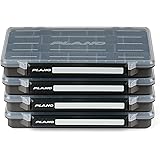
Modern tackle boxes offer various configurations. Tray-style boxes provide quick access to frequently used items. Soft-sided bags accommodate multiple utility boxes, offering modular storage. Utility boxes with adjustable dividers allow custom organization for specific lure types. Labeling compartments streamlines bait retrieval.
Managing Soft Plastics and Terminal Tackle
Soft plastics should ideally remain in original packaging or specialized worm binders. This prevents chemical reactions and material degradation. Terminal tackle, like hooks and weights, benefits from small, labeled compartments. This prevents tangles and ensures easy identification. Proper organization reduces frustration on the water.
Investing time in proper fishing tackle box organization yields significant returns. It protects your valuable gear from damage and loss. Moreover, it allows for swift adaptation to changing fishing conditions. A well-prepared angler is often a successful angler with an optimized fishing tackle box.
Casting Your Queries: Essential Tackle Box Q&A for New Anglers
What is a fishing tackle box for beginners?
A fishing tackle box is a container used to organize and carry all your essential fishing gear, such as baits, hooks, and tools. It helps keep your equipment protected and easily accessible for a successful fishing trip.
What are soft plastic lures?
Soft plastic lures are flexible, rubbery baits that mimic natural prey like worms or insects. They are versatile and easy to use, making them great for beginners to catch various types of fish.
What is Powerbait and why would I use it?
Powerbait is a type of scented attractant that significantly boosts a lure’s appeal to fish. It helps attract fish from a wider area and can lead to more bites and successful catches.
What is ‘terminal tackle’?
Terminal tackle refers to the essential small items that connect your fishing line to your bait. This includes hooks, sinkers (weights) to control depth, and swivels to prevent line twist.