Catching more bass often requires a blend of strategy and adaptability. The video above offers foundational insights for anglers just starting out. This guide delves deeper into those crucial areas, providing expert analysis for optimizing your approach to catch more bass. Mastering these techniques will significantly elevate your success on the water. We will explore advanced considerations for lure choice, strategic water coverage, and leveraging the invaluable resource of fellow anglers.
Optimizing Bass Lure Selection for Increased Strikes
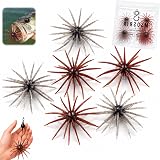
Downsizing lures is a fundamental principle for consistent bass fishing. The video highlights this point effectively. Many commercially popular lures are often oversized for average pond bass. Bass often feed on smaller forage. This applies especially in pressured waters.
Understanding Forage and Prey Imitation
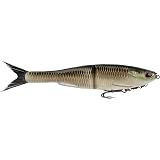
Imagine if your local pond’s primary food source is small minnows or juvenile bluegill. A 6-inch crankbait becomes an anomaly. It might trigger a reaction strike from a trophy fish. However, it often deters more common, smaller bass. Conversely, a 3-inch soft plastic swimbait or a 1/4 oz jig mimics natural prey. These smaller profiles are more approachable. They trigger feeding instincts rather than defensive reactions.
Consider the caloric efficiency for a bass. A small bass expends energy pursuing oversized prey. It may not be worth the effort. Smaller, abundant forage presents a better return on investment. This ecological perspective drives bass behavior. Matching the hatch in terms of size is often more critical than color. Although, color also plays a role in water clarity and light conditions.
Advanced Lure Modification and Presentation
Beyond simply choosing a smaller lure, consider its presentation. Light line allows for more natural lure action. A 6-pound fluorocarbon line allows a small crankbait to dive deeper. It also imparts a subtler wobble. Modifying existing lures is also a viable tactic. Trimming soft plastics can reduce their profile. Adding a smaller hook can improve hook-up ratios on tentative bites. Consider the hydrodynamics of the lure. A smaller bait often has a more discreet water displacement. This can be key in clear water environments.
Experiment with micro-jigs and finesse worms. These are often overlooked by beginners. They can be deadly on finicky bass. Their subtle action can entice even the most wary fish. Rigging these smaller baits appropriately is vital. A shaky head jig or a Ned rig are excellent choices. These presentations keep the lure in the strike zone longer. This increases exposure time for bass.
Mastering Water Coverage and Spot Rotation
The advice to cover water is essential for consistent bass fishing. Lingering too long in unproductive spots wastes valuable time. Twenty minutes is a reasonable benchmark. However, this timeframe can vary based on conditions. Understanding the ‘why’ behind this strategy enhances its effectiveness.
Reading the Water for Productive Structure
Bass are ambush predators. They relate to structure and cover. These provide concealment and ambush points. They also offer thermal refuge. This includes submerged timber, rock piles, weed lines, and dock pilings. Learning to identify these potential fish habitats is crucial. Modern electronics, like sonar or side imaging, can greatly assist. Even without advanced gear, visual cues are important. Look for changes in water depth, color, or current. These indicate potential structure below the surface.
Imagine fishing a featureless bank for an hour. Your chances are slim. Now, imagine targeting a submerged log pile. Or a distinct weed edge. These high-percentage areas inherently hold more fish. Focusing your efforts there dramatically increases your strike opportunities. Think of it as pattern fishing. Bass often follow predictable patterns based on conditions. They move to specific types of cover. Find a pattern, then replicate it.
Strategic Spot Rotation and Decompression
When you fish a spot, you exert pressure. This can spook bass. Even if they don’t bite, they might become wary. Rotating through several productive spots allows them to “decompress.” Returning to a spot after an hour or two can yield new bites. Fresh fish may have moved in. Or the original fish may have regained their confidence. Keep a mental log of productive areas. This forms your fishing milk run.
Furthermore, consider your approach. Stealth is paramount. Minimize noise and vibrations. Cast to the edges of cover first. Then work your way inward. This reduces the chance of spooking fish holding tight to structure. A methodical approach, coupled with efficient spot rotation, maximizes your time on the water. It ensures you are presenting your lure to actively feeding bass. This strategy directly contributes to catching more bass.
Leveraging the Angler Community for Success
Asking for help is perhaps the most undervalued tip. Pride often hinders progress. Yet, the fishing community is generally generous. Experienced anglers possess a wealth of local knowledge. This includes seasonal patterns, effective baits, and productive locations.
The Power of Local Intelligence
Imagine struggling to locate fish. The angler next to you consistently pulls in bass. Their success suggests a key insight. They might be using a specific lure. Or they might be employing a unique retrieve. Perhaps they know a subtle depth change. These details are invaluable. They can instantly turn a slow day into a productive one. Asking simple, respectful questions is often all it takes. “What are you having luck with today?” is a great opener. Many anglers appreciate genuine curiosity. They enjoy sharing their passion. Some may even offer specific bait recommendations. Others might point out a productive spot.
This exchange of information builds camaraderie. It also accelerates your learning curve. Books and videos provide general knowledge. Local anglers offer specific, real-time data. This real-world application is unparalleled. They know the current water temperature effects. They understand recent fishing pressure. They also track current forage availability. This local intelligence is a powerful asset for any angler.
Building Your Network and Giving Back
Beyond direct advice, observe successful anglers. Note their casting techniques. Watch their retrieve speeds. Pay attention to how they handle fish. Every observation offers a learning opportunity. Over time, you can even build a network. Forming fishing friendships creates a symbiotic relationship. You can share your own findings. This mutual exchange benefits everyone involved. Becoming part of this community enhances the entire fishing experience. It allows you to consistently refine your approach to catch more bass.
Bass Catching Q&A: Reeling In More Tips
What is an important tip for choosing fishing lures for bass?
It’s often helpful to use smaller lures, especially for average pond bass or in areas with lots of fishing pressure. Bass frequently feed on smaller prey, so matching their natural food size can lead to more strikes.
How long should I stay in one fishing spot if I’m not catching anything?
If you’re not getting any bites, a good guideline is to move to a new spot after about 20 minutes. Lingering too long in an unproductive area can waste valuable fishing time.
Where should I look for bass when I’m fishing?
Bass are ambush predators, so they often hide near structures and cover. Look for areas like submerged timber, rock piles, weed lines, or dock pilings, as these provide excellent hiding spots.
Can asking other anglers help me catch more fish?
Absolutely! Many experienced anglers are happy to share their knowledge, which can include tips on effective baits, productive locations, and current fishing patterns. Don’t be afraid to ask polite questions.